Gastric Sleeve Complications: A Patient’s Guide to Risks & Safety
Welcome to our factual guide on gastric sleeve complications. If you are researching weight loss surgery, it is not only normal but also responsible to research the potential risks. Understanding all aspects of the procedure is the first step toward making an informed and confident decision about your health.
We want to be clear: laparoscopic gastric sleeve surgery is considered one of the safest and most effective medical procedures performed worldwide. The risk of major complications is very low. However, like any major surgery, it has potential risks. This page will explain them clearly and factually. Our expert team is here to help you and provide personalized surgical solutions, starting with transparent education.
Free WhatsApp Consultation:
Contact us now! 👉 +90 530 917 30 30
Our patıents
Meet Some of Our Patients Who Underwent Gastric Sleeve Surgery
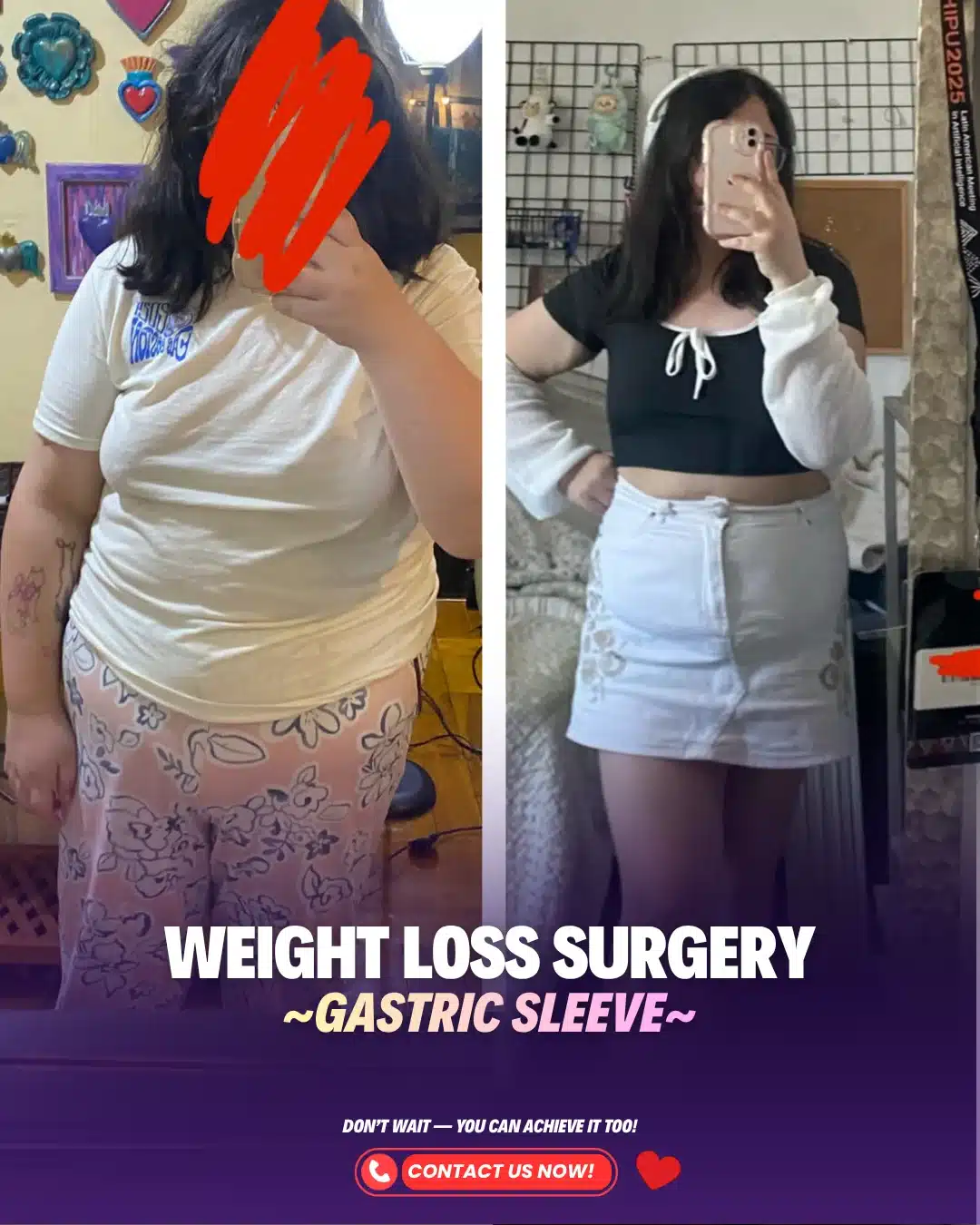
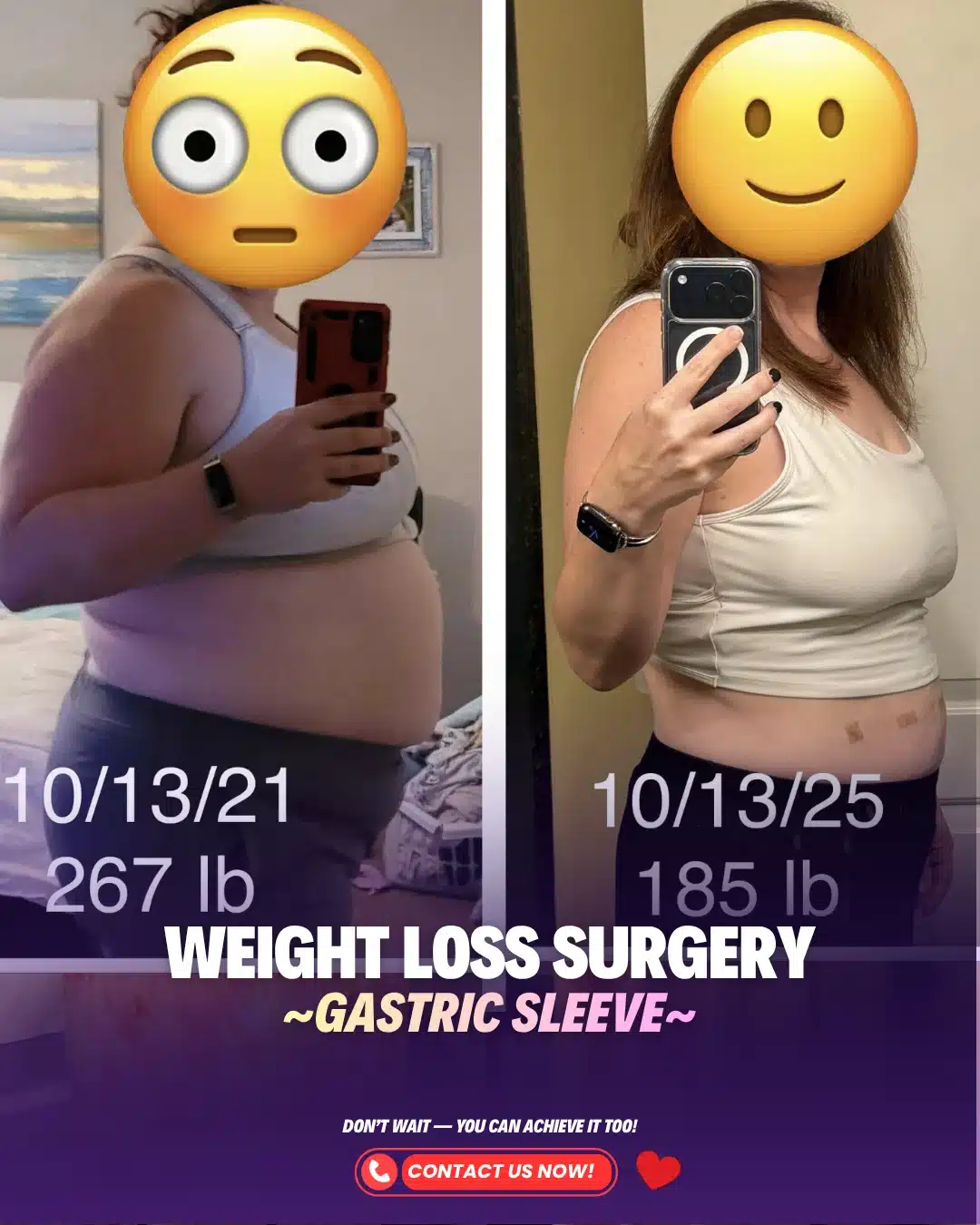
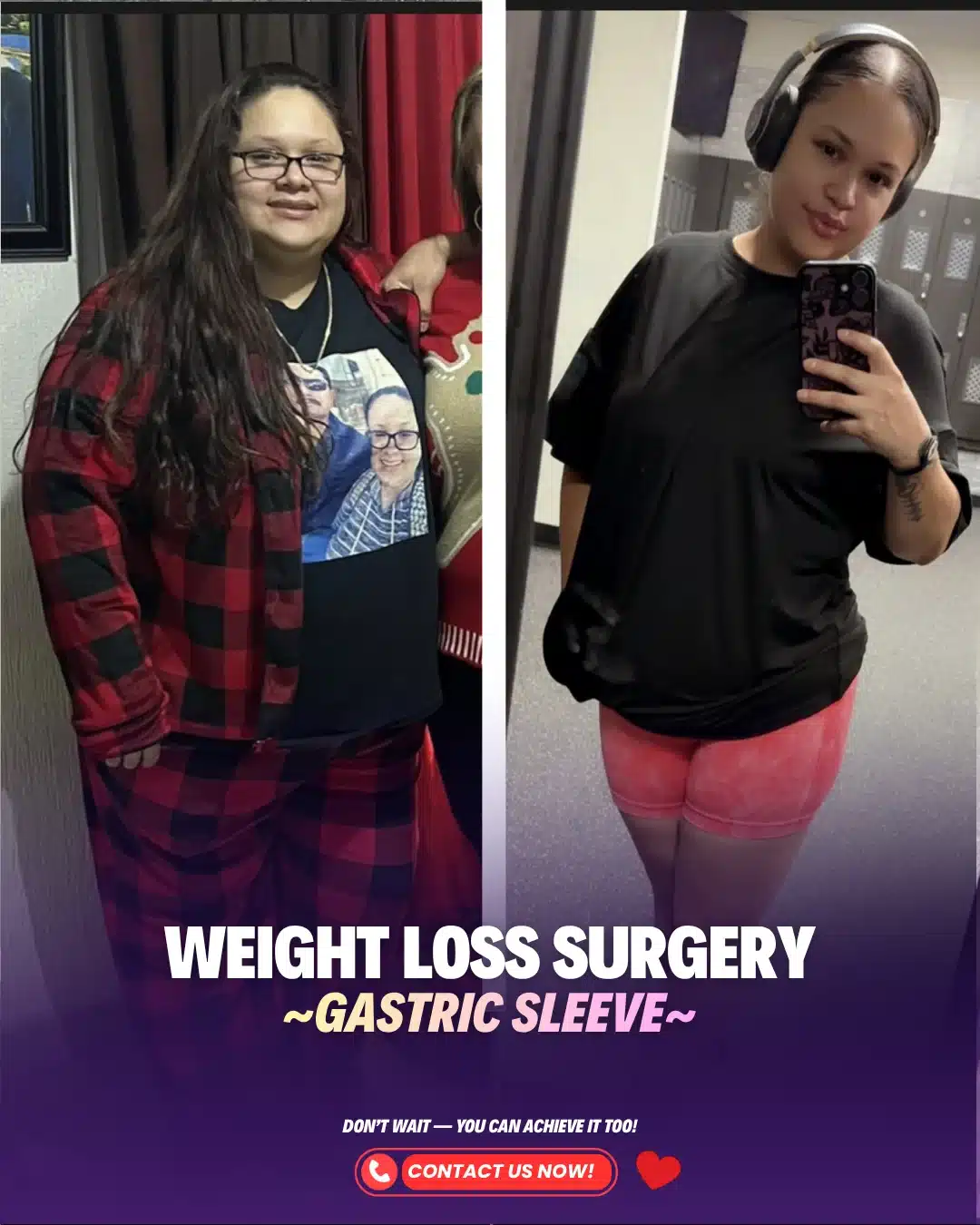
Understanding the Risks of Gastric Sleeve Surgery
The gastric sleeve has an excellent safety profile, especially when performed by a high-volume, experienced surgeon. The vast majority of patients have no issues and experience a smooth gastric sleeve recovery. The use of laparoscopic (“keyhole”) techniques has dramatically reduced the risks associated with older, open weight loss surgeries.
When we discuss gastric sleeve complications, we divide them into two categories: short-term (those that can happen during or soon after surgery) and long-term (those that can develop months or years later). It is important to know that most of these are rare, and our surgical team is highly trained to prevent, manage, and treat them. As a surgeon with over 25 years of experience, Prof. Dr. Karatepe emphasizes that patient education and strict adherence to post-operative guidelines are the most powerful tools for preventing complications.
What is the most serious complication of gastric sleeve?
The most serious, though very rare, short-term complication is a staple line leak. This is when digestive juices leak from the new stomach ‘sleeve’ staple line. A surgeon’s experience and meticulous technique are critical in minimizing this risk to less than 1%.
Short-Term vs. Long-Term Gastric Sleeve Complications
A successful outcome depends on understanding and managing risks from day one. Here is a breakdown of potential gastric sleeve complications.
Short-Term Complications (During or Soon After Surgery)
These are the risks that our surgical team monitors for most closely in the hospital and in the first 30 days. They are rare but require prompt medical attention.
- Staple Line Leak: As mentioned, this is the most critical risk. We perform multiple tests during and after the surgery to ensure the staple line is secure.
- Bleeding: Some bleeding from the staple line or incisions is possible. This is rare and often stops on its own or can be managed without a second surgery.
- Blood Clots (DVT/PE): A Deep Vein Thrombosis (a clot in the leg) is a risk of *any* surgery. This is why we get you walking on the day of your surgery and use compression stockings to ensure good blood flow.
- Infection: Infection at the small laparoscopic “keyhole” incision sites is possible but very uncommon and easily treated.
Long-Term Complications (Months to Years Later)
These are issues that can develop over time. They are often manageable with lifestyle changes or medical care.
- Acid Reflux (GERD): This is the most common long-term side effect. The new, high-pressure “sleeve” shape of the stomach can cause new or worsened acid reflux. For most patients, this is managed with diet and medication. In rare, severe cases, a gastric sleeve revision to a bypass may be needed.
- Nutritional Deficiencies: This is an expected and manageable outcome, not a complication if handled correctly. Because you eat less, you absorb fewer nutrients. You must take bariatric-specific vitamins for the rest of your life to prevent serious issues like anaemia or osteoporosis.
- Gallstones: Rapid weight loss from any method can cause gallstones to form. Your doctor may prescribe a preventative medication or, in some cases, you may need your gallbladder removed later.
- Strictures (Narrowing): In rare cases, scar tissue can cause a narrowing of the sleeve, making it hard for food to pass. This is often easily fixed with a simple, non-surgical outpatient procedure (an endoscopy).
What are the long-term side effects of gastric sleeve?
The most common long-term side effect is a risk of acid reflux (GERD). The other main long-term requirement is managing nutritional deficiencies by taking bariatric vitamins for life to prevent issues like anaemia or osteoporosis. Both are highly manageable with proper medical follow-up.
Free WhatsApp Consultation:
Contact us now! 👉 +90 530 917 30 30
How Surgeon Experience Minimizes Gastric Sleeve Complications
Your choice of surgeon is the single most important factor in minimizing your risk of gastric sleeve complications. A surgeon’s skill, precision, and judgment are critical, especially in creating a perfect, secure staple line to prevent leaks.
Prof. Dr. Oguzhan Karatepe is a leading figure in bariatric surgery, bringing over 25 years of specialized experience to every patient. With more than 3,000 successful surgeries performed, his high volume of cases demonstrates a mastery of the procedure. This level of experience means he has managed a vast range of patient anatomies and has the deep expertise to handle any challenge that may arise.
His mastery of advanced laparoscopic surgery (“keyhole” surgery) is not just a title. It translates to real-world patient benefits:
- Precise Staple Lines: Reducing the risk of leaks and bleeding.
- Less Tissue Trauma: Leading to a faster, less painful recovery.
- Lower Infection Rates: Due to minimal incisions.
This is why patients from around the world who are researching the “best gastric sleeve surgeons” seek out Prof. Dr. Karatepe. They are investing in a surgeon whose experience is proven to provide the safest possible outcome.
How to choose the right gastric sleeve surgeon?
Gastric sleeve surgery is performed by a bariatric surgeon (a general surgeon with specialized fellowship training). To minimize gastric sleeve complications, choose a surgeon with extensive, verifiable experience (1,000+ procedures), who operates in an accredited hospital, and who can show a history of low complication rates.
Free WhatsApp Consultation:
Contact us now! 👉 +90 530 917 30 30

Frequently Asked Questions (FAQ) About Gastric Sleeve Complications
Q: What is gastric sleeve surgery?
A: Gastric sleeve surgery is a weight loss operation where a surgeon removes about 75-80% of the stomach. This leaves a small, banana-shaped “sleeve,” which restricts food intake and reduces hunger hormones, helping you lose weight effectively.
Q: How safe is gastric sleeve surgery?
A: Laparoscopic gastric sleeve surgery is extremely safe. The risk of a major complication is very low (often under 1-2%) when performed by an experienced, high-volume bariatric surgeon. The long-term health benefits almost always far outweigh the risks.
Q: Can you die from gastric sleeve surgery?
A: This is a common fear, but the risk of mortality from gastric sleeve surgery is extremely low, less than 0.5%. This is statistically safer than many common operations, including gallbladder removal or hip replacement. The risks of *not* treating severe obesity are much higher.
Q: What is a staple line leak?
A: This is a rare (less than 1%) but serious complication where a leak forms in the new stomach staple line. It requires prompt medical attention. A surgeon’s experience and meticulous technique are the most important factors in preventing this.
Q: What is GERD (acid reflux) after gastric sleeve?
A: GERD is a common long-term side effect where stomach acid flows back into the oesophagus, causing heartburn. For many patients, it is mild and managed with medication. For a small number with severe GERD, a gastric sleeve revision to a gastric bypass may be recommended.
Q: Is hair loss a complication?
A: Hair loss (telogen effluvium) is a common, temporary side effect of rapid weight loss, not a dangerous complication. It typically occurs 3-6 months after surgery and resolves as your weight and nutrition stabilize. Focusing on your protein and vitamins helps.
Q: How are blood clots prevented?
A: We have a very active prevention plan. This includes compression stockings, blood-thinning medication during your hospital stay, and—most importantly—requiring you to get up and walk within hours of your surgery to promote healthy blood flow.
Q: What is a gastric sleeve stricture?
A: A stricture is a rare, long-term complication where the sleeve narrows due to scar tissue, making it hard to swallow. This is not dangerous and is typically treated easily with a non-surgical, outpatient endoscopy procedure to gently stretch the area.
Q: What are the signs of a complication after I go home?
A: You should contact your surgeon immediately if you experience: a high fever (over 101°F / 38.5°C), a very fast heart rate (tachycardia) that doesn’t go away, severe abdominal pain that gets worse, or vomiting that prevents you from drinking liquids.
Q: What is “dumping syndrome”?
A: Dumping syndrome (nausea, sweating, and diarrhoea after eating high-sugar foods) is a major complication associated with gastric bypass. It is very rare to experience true dumping syndrome after a gastric sleeve, as the stomach’s natural outlet (the pylorus) is preserved.
Q: Can I get a hernia after gastric sleeve?
A: It is possible to get an “incisional hernia” at one of the small keyhole sites, but this is uncommon. The risk is minimized by following your post-op instructions, especially avoiding heavy lifting for 4-6 weeks.
Legal Disclaimer
This information is for general educational purposes only and is not a substitute for professional medical advice. For personalized treatment plans, please contact Prof. Dr. Oguzhan Karatepe directly.
Contact Us Today
Our expert team in gastric sleeve surgery is ready to assist you. If you have more questions about the safety of gastric sleeve surgery or wish to schedule a consultation, please reach out to us.
Free WhatsApp Consultation:
Contact us now! 👉 +90 530 917 30 30
How can I book an appointment?
You can contact us directly via phone, WhatsApp, or by filling out the online contact form on our website. Our dedicated patient coordinators will be happy to schedule your free, no-obligation consultation.