Diet After Gastric Sleeve: A Complete 4-Stage Eating Plan
Welcome to our complete guide on the diet after gastric sleeve surgery. For patients considering or preparing for this life-changing procedure, your most important question is often: “What can I eat?” The gastric sleeve diet is a critical part of your recovery and your long-term success. It is not just a diet; it is a new way of eating to support your health.
This page is designed to be a clear, factual, and educational resource. We will walk you through the post-operative diet stages, from the first day to your new, permanent lifestyle. As a leading surgical team with decades of experience, our expert team is here to help you. We provide personalized surgical solutions and the nutritional guidance you need to thrive.
Free WhatsApp Consultation:
Contact us now! 👉 +90 530 917 30 30
Our patıents
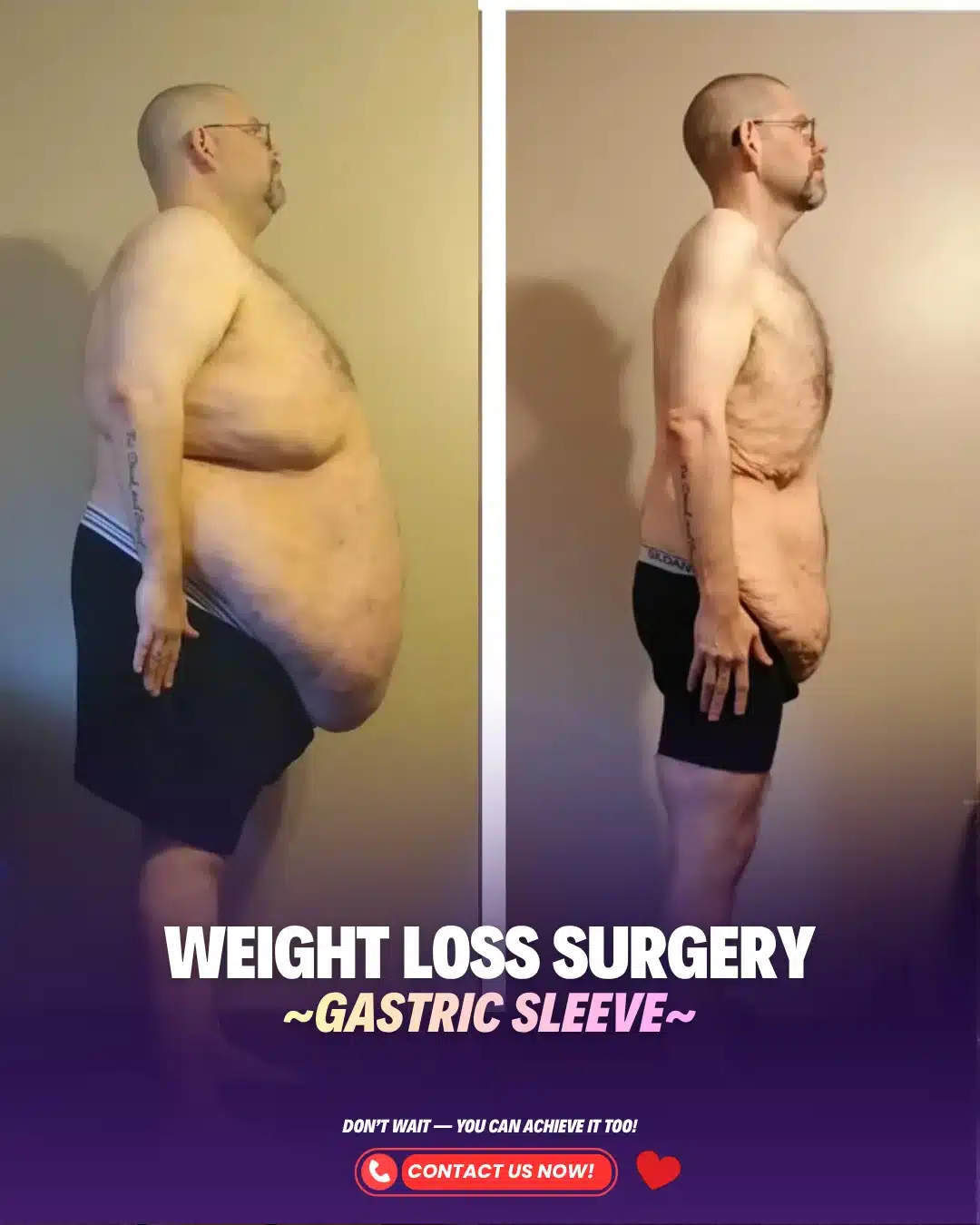
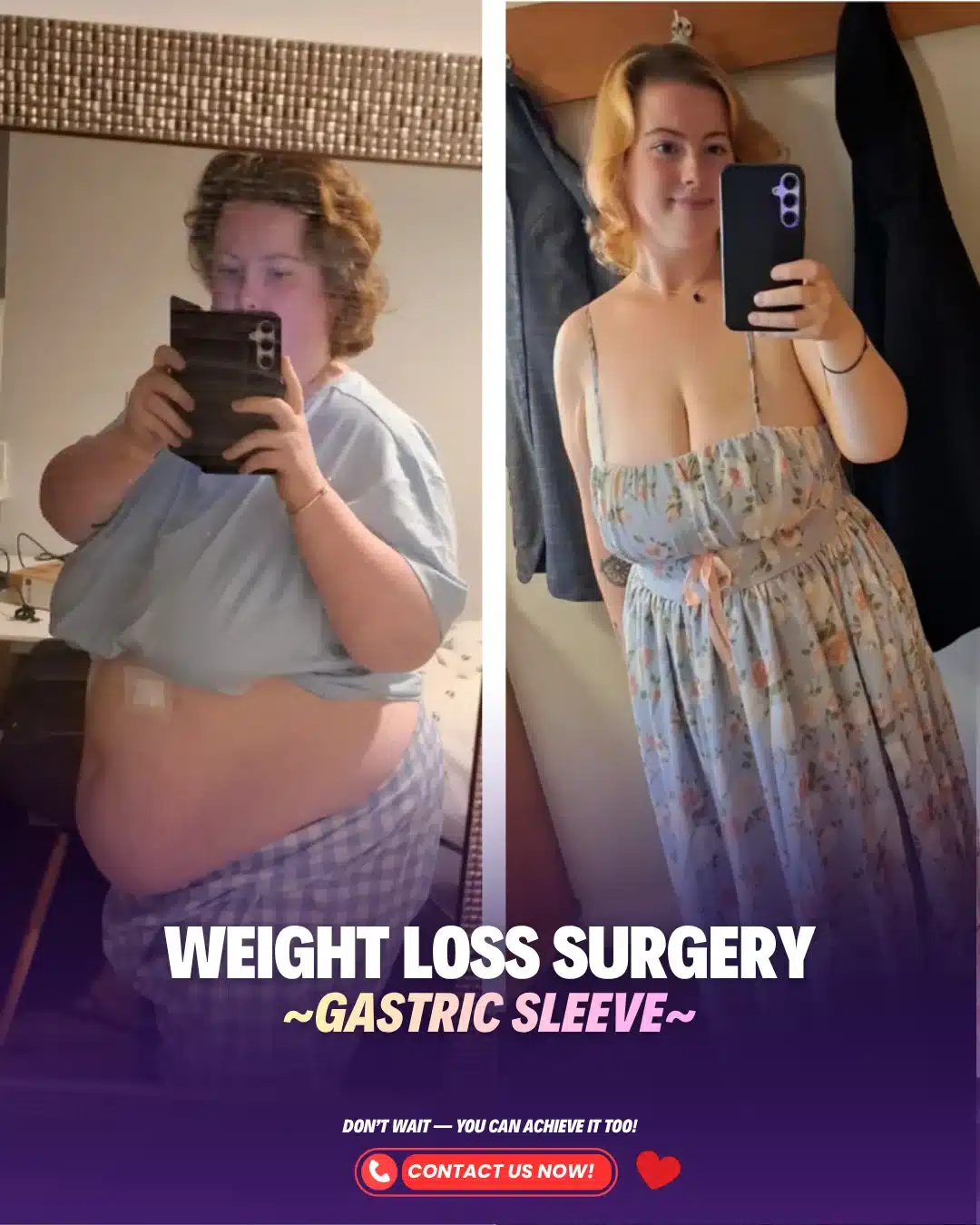
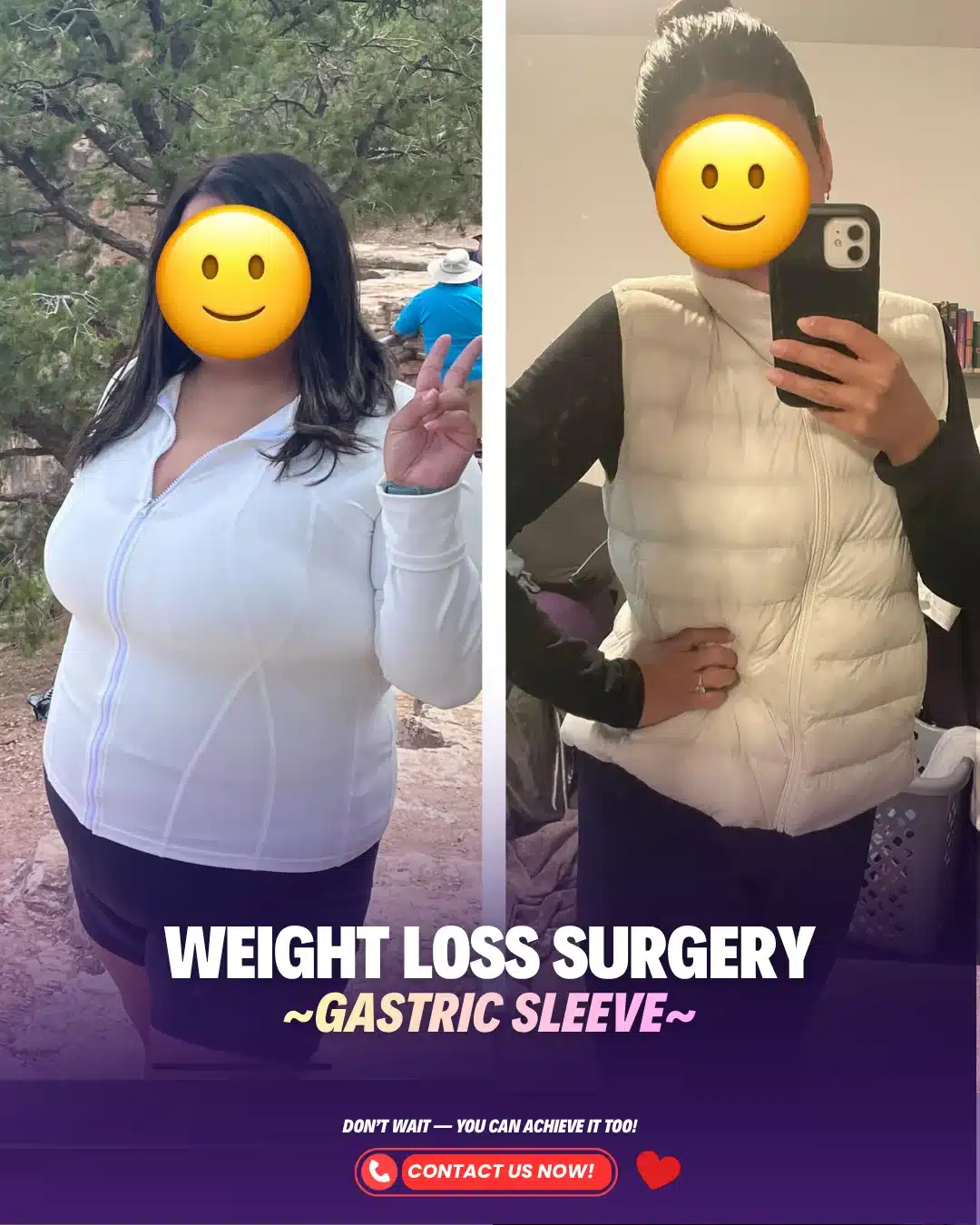
Meet Some of Our Patients Who Underwent Gastric Sleeve Surgery
Why Your Diet Changes So Much After Gastric Sleeve Surgery
Understanding *why* your diet must change is the key to success. The diet after gastric sleeve surgery is carefully designed for two main reasons: Healing and Adaptation.
1. To Protect Your Healing Stomach: During a gastric sleeve surgery, your surgeon removes about 75-80% of your stomach and seals the new, smaller “sleeve” with a surgical staple line. This staple line needs time to heal, just like a wound on your skin. The phased diet—progressing slowly from liquids to solids—is essential to protect this healing area. Eating the wrong foods too soon can cause pain, vomiting, or, in rare cases, a serious complication like a leak.
2. To Adapt to Your New Stomach Size: Your new stomach is significantly smaller. It can only hold a few ounces of food at a time, especially in the beginning. This new, smaller stomach also has a new, faster emptying time. You must learn a completely new way of eating. This includes eating very small portions, chewing your food thoroughly, and eating slowly. The post-op diet is a re-learning process, teaching you the new signals your body will send. As a surgeon with over two decades of experience, Prof. Dr. Karatepe often explains to patients that the surgery is a tool, and the diet is the instruction manual for how to use that tool safely and effectively.
This new way of eating also supports the hormonal changes from the surgery. By removing the large part of the stomach, levels of the hunger hormone (ghrelin) drop, which helps reduce your appetite as you adapt.
What can you never eat again after gastric sleeve?
This is a common fear, but the answer is encouraging. After you are fully healed, no food is 100% “forbidden” for life. However, most patients permanently avoid or strictly limit certain foods that cause discomfort or work against their weight loss. These often include sugary drinks, carbonated sodas, very high-fat foods, and “doughy” foods like soft bread or pasta that can expand in the stomach and cause pain.
Free WhatsApp Consultation:
Contact us now! 👉 +90 530 917 30 30
The 4-Stage Post-Op Diet: A Week-by-Week Guide
Your gastric sleeve recovery is closely tied to this 4-stage diet plan. Every surgeon’s timeline may vary slightly, but this is the standard, medically-approved progression. Moving to the next stage depends on how you are healing and tolerating the current stage. Never rush this process.
Stage 1: Clear Liquids (Typically Week 1)
This is your diet in the hospital and for the first few days at home. The only goal of this stage is hydration and healing.
- What to consume: Water, clear broth (chicken, beef, or vegetable), sugar-free gelatin, and sugar-free non-carbonated drinks.
- The Golden Rule: Sip, sip, sip. You must drink very slowly, taking tiny sips throughout the day. Do not gulp. You must avoid all sugar, caffeine, and carbonation.
Stage 2: Full Liquids / Pureed Foods (Typically Weeks 2-3)
Once you tolerate clear liquids, you move to this stage. The goal is to introduce thicker liquids and protein.
- What to consume: Protein shakes (a cornerstone of your diet), thin creamed soups, Greek yogurt, sugar-free pudding, and thinned, blended cottage cheese.
- The Goal: Your main focus is now protein. You will start drinking bariatric protein shakes to help your body heal and preserve muscle mass while you lose fat.
Stage 3: Soft Foods (Typically Weeks 4-6)
This is an exciting stage, as you can finally start to chew! The goal is to re-learn how to eat with your new stomach.
- What to consume: Scrambled eggs (your new best friend), mashed fish, canned tuna, avocado, well-cooked and mashed vegetables, and soft fruits like bananas.
- The Golden Rule: Chew, chew, chew! Every bite must be chewed until it is the consistency of applesauce before you swallow. Eat very slowly (a meal should take 20-30 minutes).
Stage 4: Solid Foods / The “Lifetime Diet” (Typically Week 7 and beyond)
Welcome to your new, normal way of eating. By this point, your stomach is fully healed, and you can begin introducing a wider variety of healthy, solid foods. This is the diet you will follow for life. The key rules are:
- Protein First: Every meal should start with your protein source (chicken, fish, eggs, beans, tofu). Your goal is 60-80 grams of protein per day.
- Small Portions: Your meals will be tiny. A full meal may only be 4-6 ounces (about 1 cup) of food.
- Eat Slowly: A meal should take at least 20-30 minutes.
- Chew Thoroughly: This is a non-negotiable rule to prevent pain and vomiting.
- No Drinking with Meals: This is a critical new habit. Do not drink for 30 minutes before, during, or 30 minutes after your meals. Drinking with meals can flush food through your sleeve too quickly, making you hungry again sooner.
- Hydrate Between Meals: You must drink at least 2 liters (64 oz) of water per day *between* your meals.
- Vitamins for Life: You must take your bariatric-specific vitamins every day for the rest of your life to prevent nutritional deficiencies.
What is the first “food” you eat after gastric sleeve?
The very first “food” you will have in the hours after your gastric sleeve surgery is sips of clear liquids, such as water or a sugar-free broth. This is done to ensure you are healing properly and can tolerate swallowing before you are discharged from the hospital.
Free WhatsApp Consultation:
Contact us now! 👉 +90 530 917 30 30

Why Choose Prof. Dr. Oguzhan Karatepe for Your Gastric Sleeve?
Your gastric sleeve surgery is the first step; your post-operative care is the key to your success. Choosing a surgeon with extensive experience is critical. Prof. Dr. Oguzhan Karatepe is a leading figure in bariatric surgery, bringing over 25 years of specialized experience to every patient.
With more than 3,000 successful surgeries performed and hundreds of academic publications, his expertise is not just clinical; it is academic. This means he is an authority who is at the forefront of the latest and safest techniques. His expertise is crucial in guiding patients through the critical diet after gastric sleeve, ensuring a safe recovery and long-term success. He is a master of advanced laparoscopic and robotic surgery, the “keyhole” methods that ensure your gastric sleeve recovery time is as fast and smooth as possible.
How to choose the right gastric sleeve surgeon?
Gastric sleeve surgery is performed by a bariatric surgeon—a general surgeon who has completed extensive, specialized fellowship training in weight loss procedures. When choosing, you must verify their credentials, look for extensive experience (1,000+ procedures), and ensure they operate in an accredited, high-tech hospital. A strong nutritional and aftercare program is essential.
Free WhatsApp Consultation:
Contact us now! 👉 +90 530 917 30 30
Frequently Asked Questions (FAQ) About the Gastric Sleeve Diet
Q: What is gastric sleeve surgery?
A: Gastric sleeve surgery is a weight loss operation where a surgeon removes about 75-80% of the stomach. This leaves a small, banana-shaped “sleeve,” which restricts food intake and reduces hunger hormones, helping you lose weight effectively.
Q: How long am I on a liquid diet after gastric sleeve?
A: You will be on a “clear liquid” diet for the first week, followed by a “full liquid” or pureed diet. In total, the liquid/pureed phase of the diet after gastric sleeve lasts for about 2 to 3 weeks before you are cleared to start soft foods.
Q: Why is protein so important after surgery?
A: Protein is essential for healing and recovery. It also helps you preserve your muscle mass while you are losing fat. Prioritizing protein at every meal (known as “protein first”) will also help you feel full and satisfied.
Q: Why can’t I eat and drink at the same time?
A: Your new stomach is too small to hold both food and liquid. Drinking with your meal can also “flush” the food out of your stomach sleeve too quickly, which can lead to overeating and making you feel hungry again sooner.
Q: What happens if I eat solid food too soon?
A: Eating solid, “Stage 4” foods before your surgical team clears you is very dangerous. It can cause severe pain, vomiting, and put too much pressure on your new staple line, which can lead to a serious complication like a staple line leak.
Q: Can I drink coffee after gastric sleeve?
A: You must avoid caffeine for the first few months as it is a diuretic and can dehydrate you. After you are fully healed and hydrating well, many surgeons allow decaf coffee or small amounts of regular coffee, as long as it has no sugar.
Q: Can I drink alcohol after gastric sleeve?
A: You should avoid alcohol for at least the first 6 months to 1 year. After surgery, your body will absorb alcohol much faster, and you will become intoxicated on a very small amount. Alcohol is also “empty calories” that can slow your weight loss.
Q: Why are carbonated drinks (soda, seltzer) banned?
A: The bubbles in carbonated drinks can expand in your small stomach sleeve, causing significant pain, bloating, and gas. Over time, they can also contribute to stretching the sleeve. All carbonated drinks should be avoided for life.
Q: Will I have to take vitamins for life?
A: Yes. This is a non-negotiable part of your diet after gastric sleeve. Because you are eating much less food, you cannot get all the micronutrients you need from diet alone. You must take a bariatric-specific multivitamin, calcium, and often other supplements (like B12) for life to prevent serious nutritional deficiencies.
Q: How big will my meals be after one year?
A: After your sleeve has fully matured (about 12-18 months), an average meal is typically about 4 to 6 ounces (110-170 grams) of food. This is about the size of a small side plate, not a large dinner plate.
Legal Disclaimer
This information is for general educational purposes only and is not a substitute for professional medical advice. For personalized treatment plans, please contact Prof. Dr. Oguzhan Karatepe directly.
Contact Us Today
Our expert team in gastric sleeve surgery is ready to assist you. If you have more questions about the diet after gastric sleeve or wish to schedule a consultation, please reach out to us.
Free WhatsApp Consultation:
Contact us now! 👉 +90 530 917 30 30
How can I book an appointment?
You can contact us directly via phone, WhatsApp, or by filling out the online contact form on our website. Our dedicated patient coordinators will be happy to schedule your free, no-obligation consultation.