Eating Chocolate After Gastric Sleeve: A Patient’s Guide to When, Why, and What Kind
Welcome to our educational guide. If you are preparing for or recovering from gastric sleeve surgery, you likely have many questions about your new diet. One of the most common, and emotional, questions we hear is: “Can I eat chocolate after my gastric sleeve?” Will you have to give up this comfort food forever?
The answer is a nuanced one: No, you do not have to give it up forever, but your relationship with chocolate will need to change permanently. This page is designed to give you a clear, factual, and medical-based answer. We will explain *why* chocolate is a concern, *when* you can reintroduce it, and *how* to do it safely. As a leading bariatric team, our expert team is here to help you understand these new rules and provide personalized surgical solutions for lifelong success.
Free WhatsApp Consultation:
Contact us now! 👉 +90 530 489 94 74
Our patıents
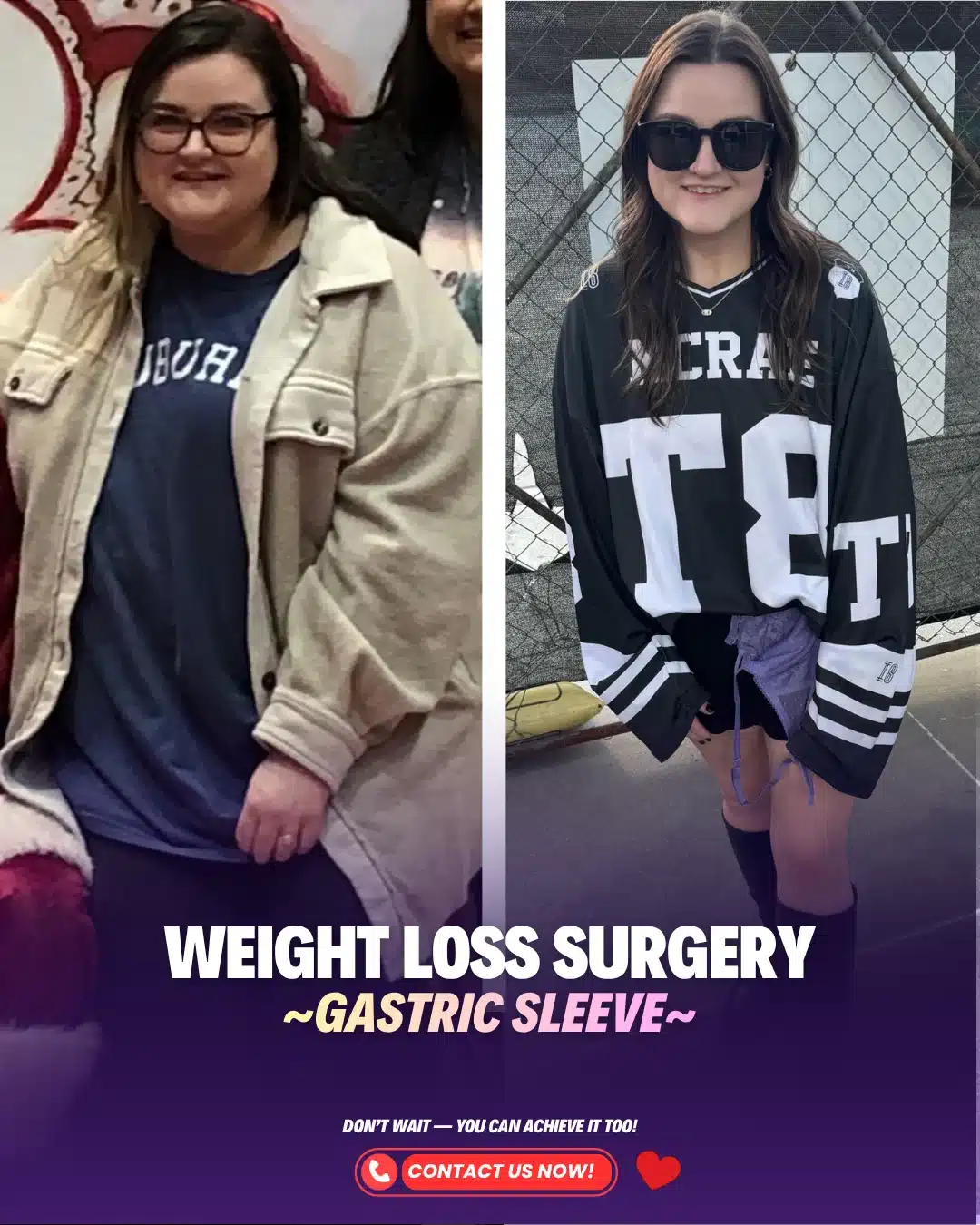
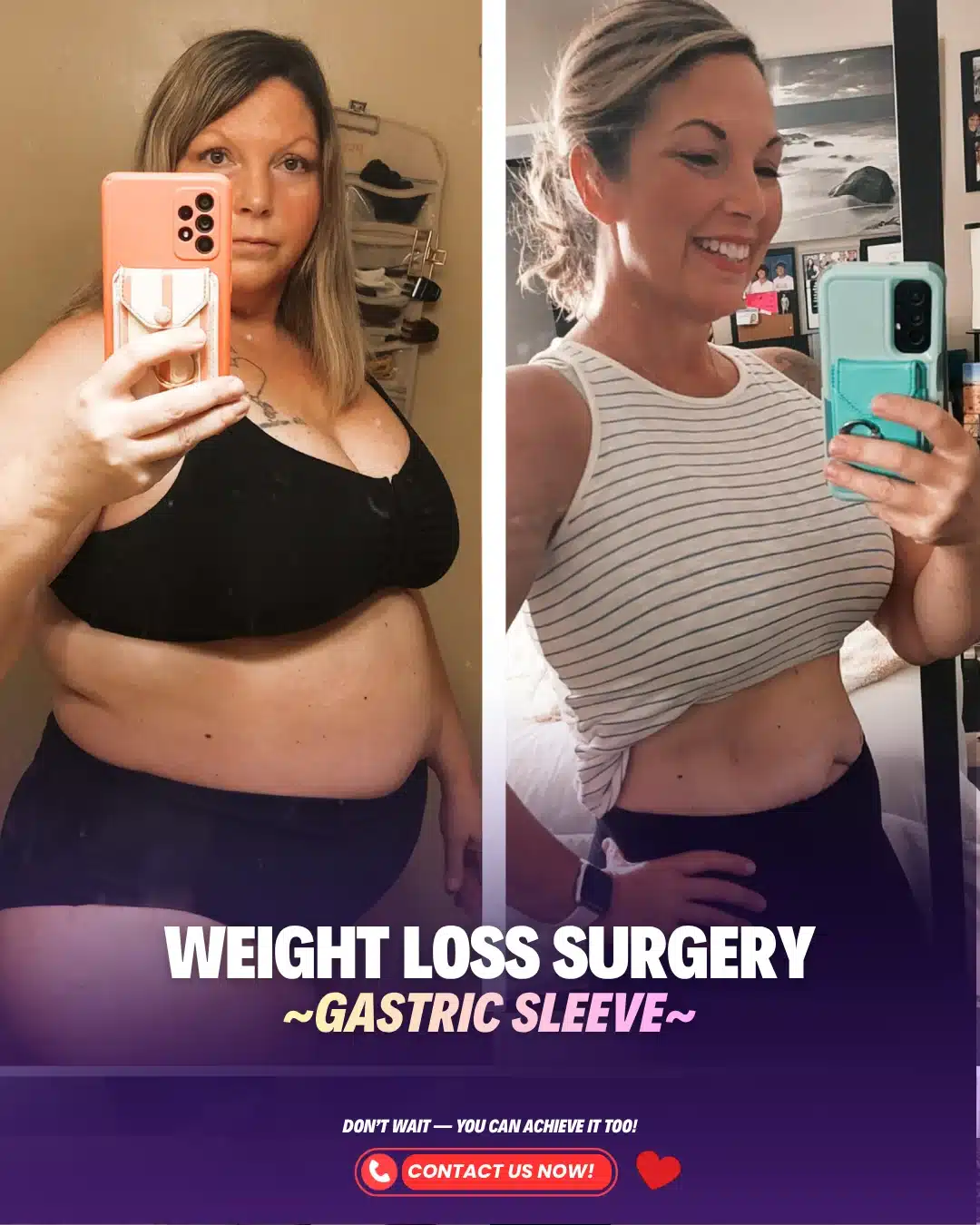
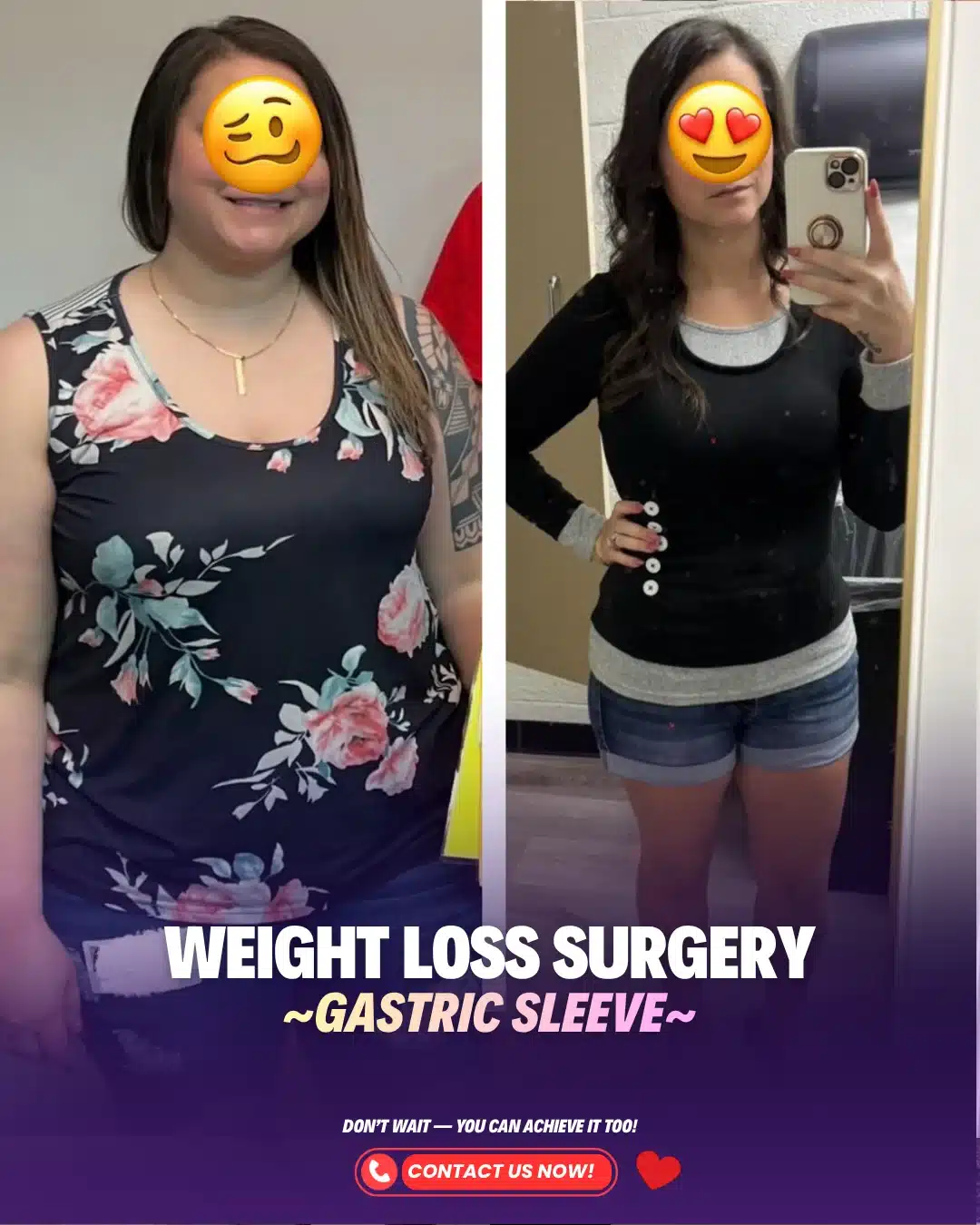
Meet Some of Our Patients Who Underwent Gastric Sleeve Surgery
Why Is Chocolate a Concern After Gastric Sleeve Surgery?
After your gastric sleeve surgery, your stomach is a much smaller “sleeve” that is healing. It is also a high-pressure system. Your new anatomy is a powerful tool for weight loss, but it is also sensitive, especially to foods that are high in sugar and fat, like most chocolate.
As a surgeon with over two decades of experience, Prof. Dr. Karatepe explains to his patients that the problem is not “chocolate” itself, but what it is made of:
- High Sugar Content: Most milk and white chocolate are packed with sugar. After a bariatric surgery, a large, sudden rush of sugar into your small intestine can cause a deeply unpleasant reaction. While true “dumping syndrome” is more common with gastric bypass, sleeve patients can experience a similar set of symptoms like nausea, cramping, cold sweats, dizziness, and rapid heartbeat. This is your body’s way of rejecting the sugar.
- High in “Empty” Calories: Your new stomach is a small, precious space. You must make every bite count. Your number one priority is protein, which heals your body and preserves muscle. Chocolate is “calorie-dense and nutrient-poor.” A tiny piece can take up a large portion of your daily calorie budget without providing any of the protein, vitamins, or fibre you need.
- It Is a “Slider Food”: This is a critical concept in As-US. “Slider foods” are foods that melt or are soft (like ice cream, crisps, and chocolate) and can “slide” right through your stomach sleeve without making you feel full. This can lead to “grazing” (eating small amounts all day) and can seriously slow down or even reverse your weight loss.
The gastric sleeve is a tool that gives you back control. But that tool can be “cheated” by slider foods. Part of your new lifestyle is learning to identify and limit them.
When can I eat chocolate after gastric sleeve?
You must avoid all chocolate during the initial healing phases (clear liquids, full liquids, purees, and soft foods). Most surgeons recommend waiting at least 3 to 6 months post-op, or until you are well-established in your long-term “solid food” diet, before attempting to have a small, planned piece of chocolate.
Free WhatsApp Consultation:
Contact us now! 👉 +90 530 489 94 74
How to Safely Reintroduce Chocolate Into Your Diet
So, you are several months post-op, you have met your protein goals for the day, and you would like to try a piece of chocolate. How do you do it safely? Your new life is not about “deprivation,” but about “moderation” and making smart choices. If you choose to eat chocolate, you must follow new rules.
Here is the 4-step medical guide to reintroducing it:
- Rule 1: Protein First, Always. This is the golden rule of your diet after gastric sleeve. Your protein goal (60-80+ grams per day) is non-negotiable. Chocolate is *only* to be eaten as a “treat” after your nutritional needs for the meal (or day) have been met. It is not a snack on its own.
- Rule 2: Choose the Right Kind. This is critical. You must avoid high-sugar milk chocolate and white chocolate. The best choice is high-quality dark chocolate (70% cocoa or higher). It has significantly less sugar and fat, and also contains antioxidants. A single, small square is all you need.
- Rule 3: Read the Label. Become a label expert. Look for a chocolate where sugar is *not* the first or second ingredient. A good bariatric-friendly option will have less than 5-8 grams of sugar per serving.
- Rule 4: Be Mindful. Eat one small square. Let it melt in your mouth. Savour it. Pay attention to how your body feels. This is a “planned treat,” not a “craving.”
A better alternative for a chocolate “fix,” especially in the first year, is to use bariatric-approved foods. A high-quality chocolate-flavoured protein shake or a bariatric chocolate protein bar is an excellent choice. This satisfies your craving while also helping you meet your protein goal—it is a win-win.
What happens if I eat sweets after gastric sleeve?
Eating high-sugar sweets like milk chocolate or lollies, especially in the first few months, can make you feel very ill. It can cause nausea, vomiting, dizziness, cold sweats, and cramping. These “slider foods” are also high in calories and can sabotage your weight loss results long-term.
Why Choose Prof. Dr. Oguzhan Karatepe for Your Gastric Sleeve?
When you are researching bariatric surgery, you are not just choosing a procedure; you are choosing a long-term partner for your health. A successful outcome depends on a surgeon’s technical skill and a strong post-operative support program. Prof. Dr. Oguzhan Karatepe is a leading figure in bariatric surgery, bringing over 25 years of specialized experience to every patient.
With more than 3,000 successful surgeries performed and hundreds of academic publications, his expertise is not just clinical; it is academic. This means he has the deep, long-term experience to guide thousands of patients through these exact challenges, like learning how to have a healthy, post-op relationship with food. His mastery of advanced laparoscopic surgery (“keyhole” surgery) is critical for a safe procedure with a fast recovery.
Our expert team is here to help you with personalized surgical solutions, which includes a comprehensive nutritional program. We do not just perform your surgery; we teach you how to use this powerful tool for a lifetime of health and success.
Free WhatsApp Consultation:
Contact us now! 👉 +90 530 489 94 74
How to choose the right gastric sleeve surgeon?
Gastric sleeve surgery is performed by a bariatric surgeon (a general surgeon with specialized fellowship training). When choosing, look for a surgeon with extensive, verifiable experience (1,000+ procedures), board certification, and academic credentials (like a Professor). Most importantly, ensure they have a strong, comprehensive *nutritional and aftercare program*.

Frequently Asked Questions (FAQ) About Chocolate After Gastric Sleeve
Q: What is gastric sleeve surgery?
A: Gastric sleeve surgery is a weight loss operation where a surgeon removes about 75-80% of the stomach. This leaves a small, “sleeve-shaped” stomach, which restricts food intake and reduces hunger hormones, helping you lose weight effectively.
Q: Can I ever eat “normal” sweets again after a gastric sleeve?
A: Yes, but your definition of “normal” will change. High-sugar, high-fat sweets will likely make you feel sick. Your new “normal” will be a tiny portion of a high-quality, low-sugar treat (like dark chocolate) on a very occasional basis, after your protein needs are met.
Q: What is a “slider food” and why is chocolate one?
A: A slider food is a food that is high in carbs or fat and melts easily (like chocolate, ice cream, or crisps). It “slides” through your new stomach sleeve quickly without making you feel full. This allows you to eat a large number of calories and can sabotage your weight loss.
Q: Will chocolate cause dumping syndrome after a gastric sleeve?
A: True “dumping syndrome” is much more common with gastric bypass. However, gastric sleeve patients can experience a very similar reaction to high-sugar foods, called “reactive hypoglycemia.” This includes nausea, cold sweats, dizziness, and cramping. It is a very unpleasant feeling you will want to avoid.
Q: Can I drink hot chocolate after gastric sleeve?
A: Traditional hot chocolate is very high in sugar and should be avoided. A “safe” alternative would be a sugar-free hot cocoa made with water or unsweetened almond milk, or even a bariatric-friendly protein shake mixed with warm water (not hot, as it can clump the protein).
Q: Will eating chocolate stretch my sleeve?
A: A single piece of chocolate will not stretch your sleeve. However, *consistently* overeating or “grazing” on slider foods like chocolate can put pressure on your sleeve and lead to stretching over time, which can cause weight regain.
Q: Can I have sugar-free chocolate?
A: You can, but you must be very careful. Many “sugar-free” chocolates use sugar alcohols (like maltitol) as sweeteners. These can cause severe gas, bloating, and diarrhoea in bariatric patients. A small piece of *low-sugar* dark chocolate is often a better choice than a *sugar-free* milk chocolate.
Q: Will my chocolate cravings go away after gastric sleeve?
A: Many patients report that their cravings for sugar and “junk food” are dramatically reduced after surgery, thanks to the hormonal changes. However, the *psychological* or emotional craving for chocolate as a comfort food may still be there. This is why a new, mindful approach is so important.
Legal Disclaimer
This information is for general educational purposes only and is not a substitute for professional medical advice. For personalized treatment plans, please contact Prof. Dr. Oguzhan Karatepe directly.
Contact Us Today
Our expert team in gastric sleeve surgery is ready to assist you. If you have more questions about your new lifestyle and diet after gastric sleeve, please reach out to us.
Free WhatsApp Consultation:
Contact us now! 👉 +90 530 489 94 74
How can I book an appointment?
You can contact us directly via phone, WhatsApp, or by filling out the online contact form on our website. Our dedicated patient coordinators will be happy to schedule your free, no-obligation consultation.