Can You Take Ozempic After Gastric Sleeve? A Patient’s Guide
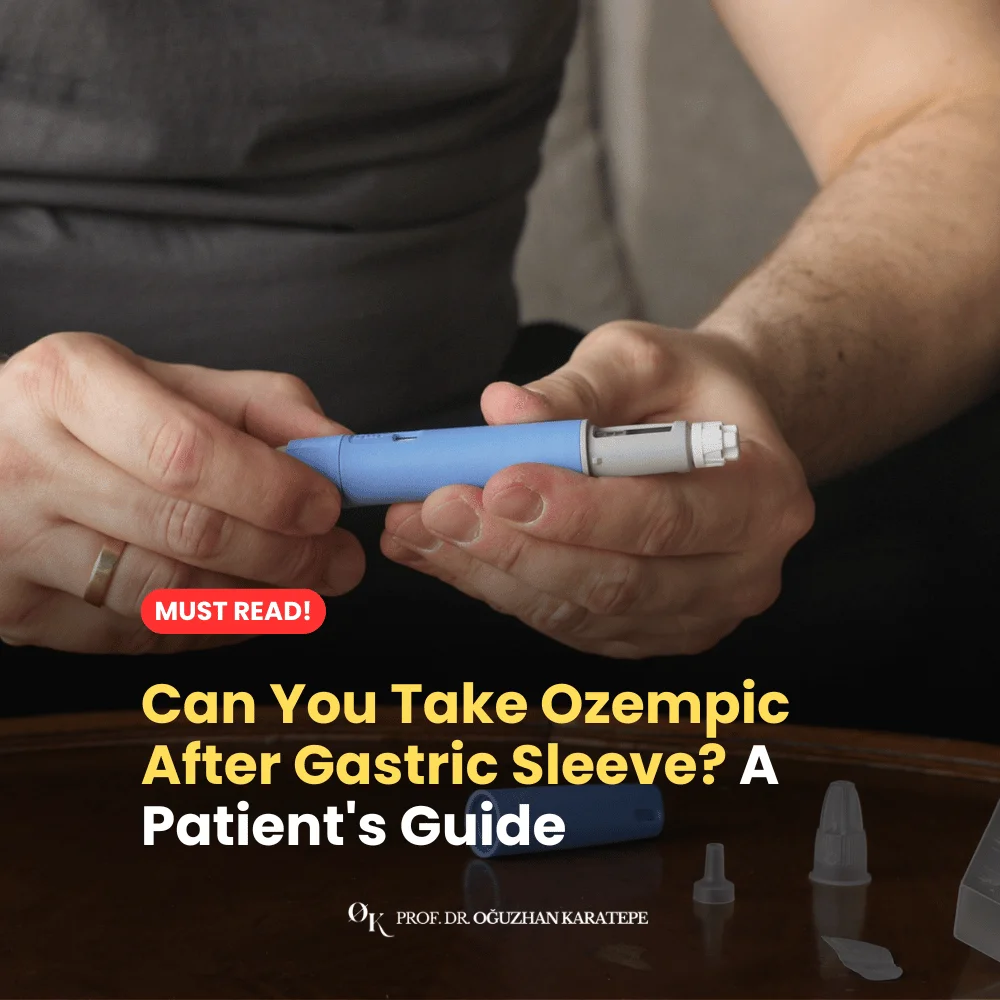
Welcome to our educational guide. This is a very common and excellent question that many bariatric patients ask. You may be considering gastric sleeve surgery and wondering about your long-term options, or you may be a post-op patient experiencing a weight loss stall or some weight regain. You have heard about medications like Ozempic (Semaglutide) and are asking, “Can you take Ozempic after a gastric sleeve?”
The short answer is: Yes, under medical supervision, taking Ozempic or other GLP-1 medications after gastric sleeve surgery is a common, safe, and highly effective strategy. It is not a “failure” but rather a powerful, modern approach to treating the chronic disease of obesity. Our expert team is here to help you understand this multi-step approach and provide personalized surgical solutions for your long-term health.
Free WhatsApp Consultation:
Contact us now! 👉 +90 530 917 30 30
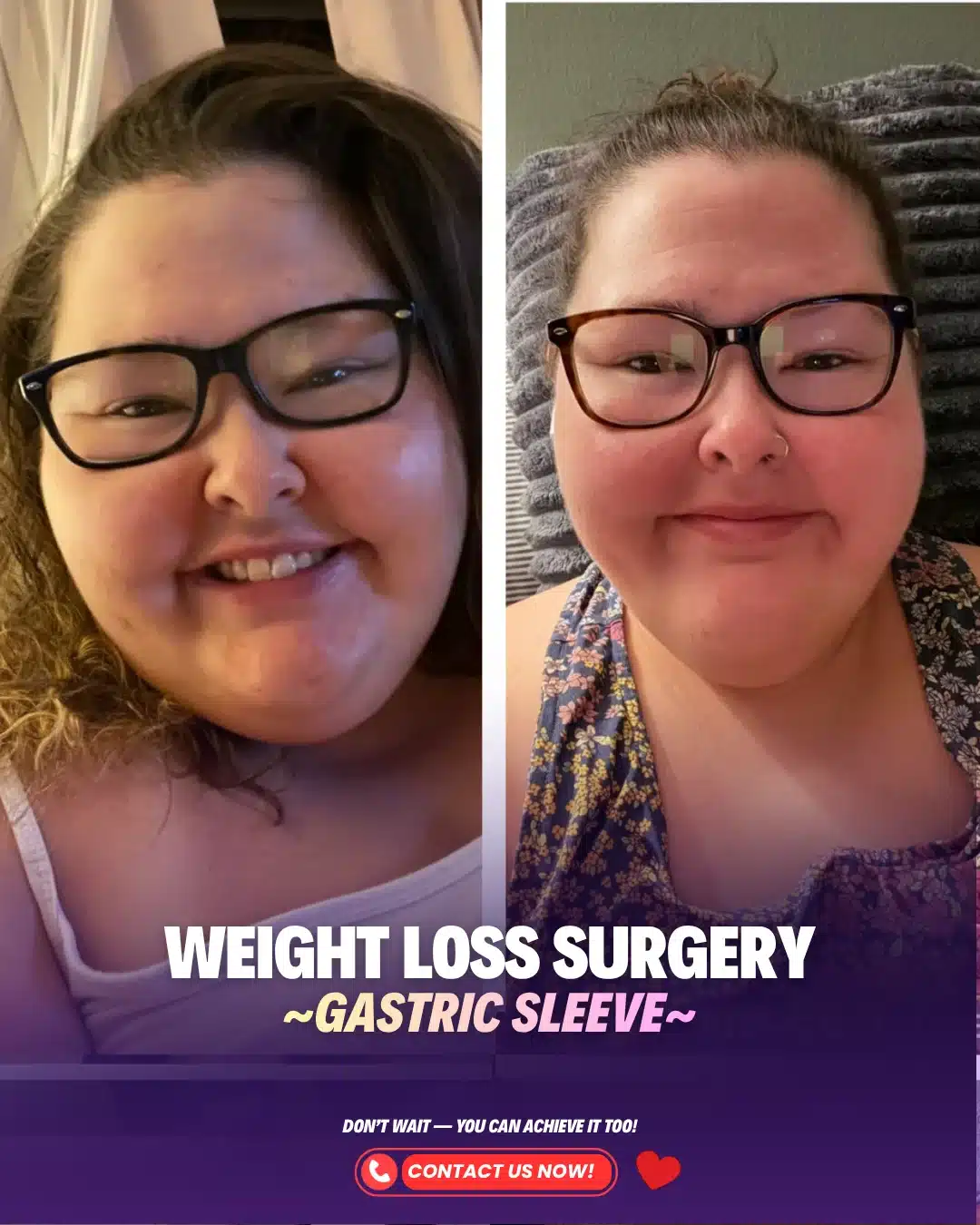
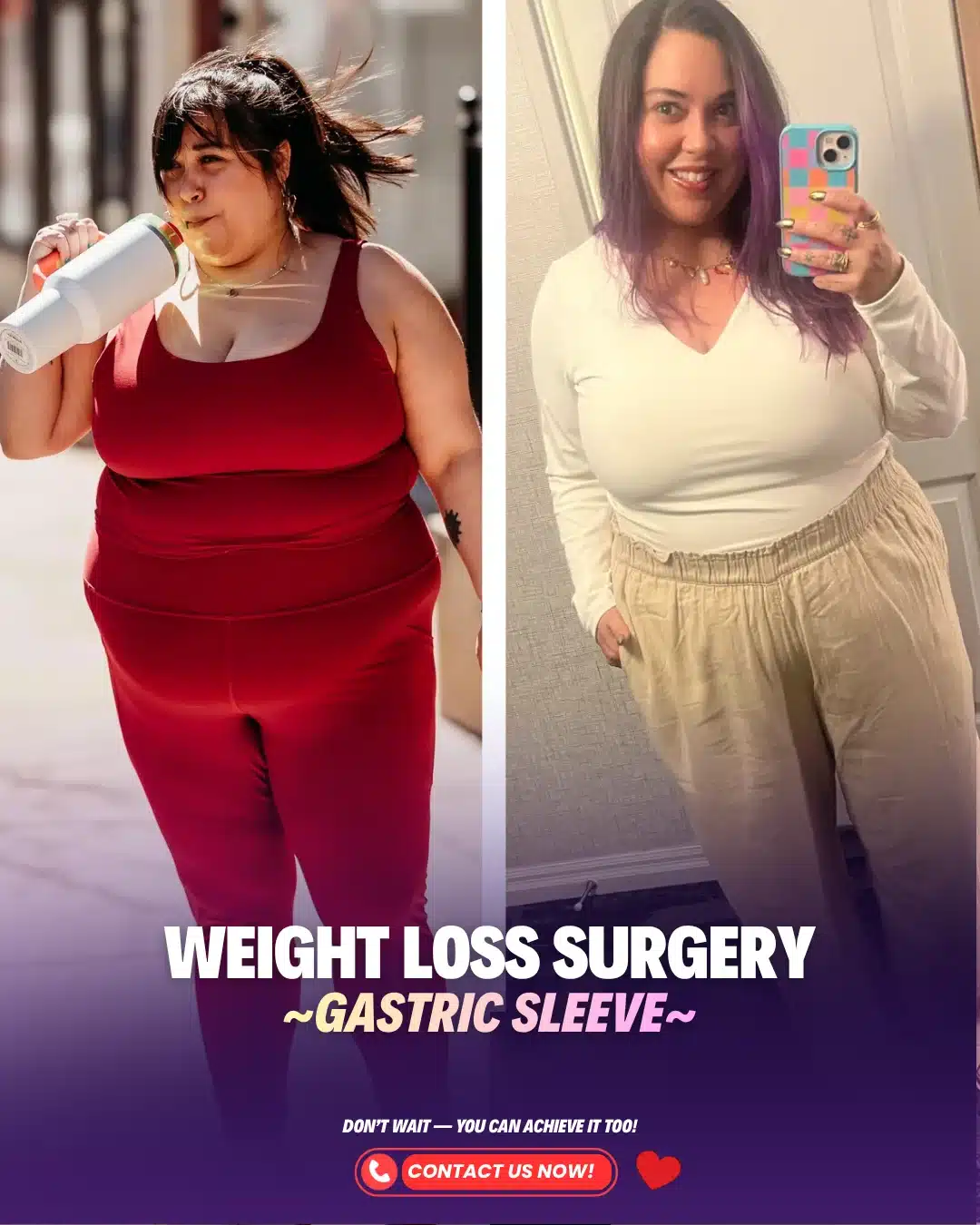
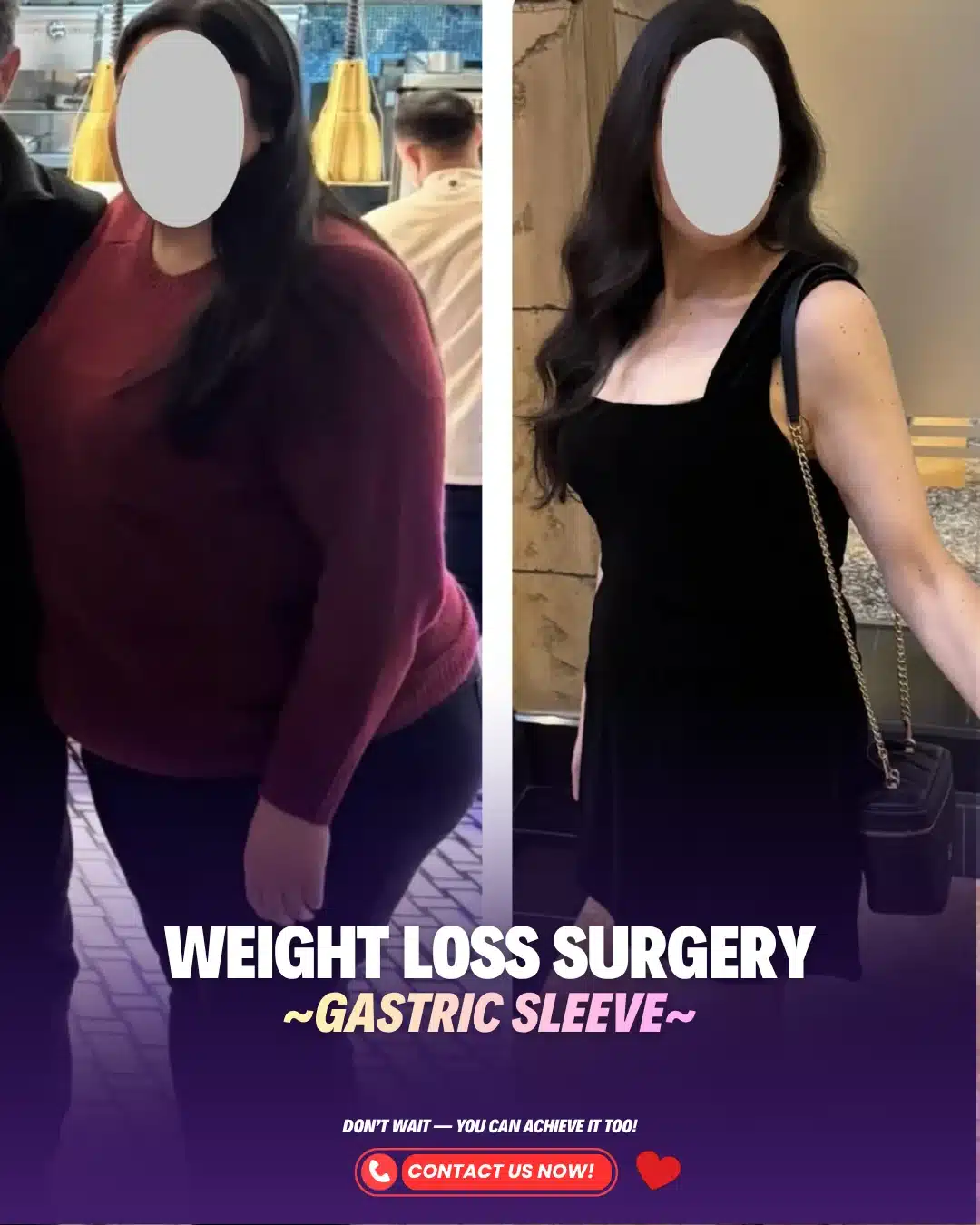
Our patıents
Meet Some of Our Patients Who Underwent Gastric Sleeve Surgery
What Is Ozempic (Semaglutide) and How Does It Work?
Before we discuss combining these two treatments, it is important to understand what Ozempic is. Ozempic is the brand name for a medication called Semaglutide. It belongs to a class of drugs called GLP-1 agonists. (Other brands you may have heard of, like Wegovy or Mounjaro, work in a similar way).
Ozempic was originally designed to help people with high blood sugar (Type 2 diabetes) control their insulin levels. However, doctors quickly discovered it has a powerful secondary effect: it causes significant weight loss. It works in three main ways:
- It slows down how fast your stomach empties, making you feel “full” for much longer after eating.
- It sends signals to your brain’s appetite centre, reducing hunger and cravings.
- It helps your pancreas release the right amount of insulin when your blood sugar is high.
You may be thinking, “This sounds a lot like what gastric sleeve surgery does!”—and you are exactly right. A gastric sleeve is a *restrictive* procedure (making the stomach smaller) but also a *metabolic* one, as it cuts away the part of the stomach that produces the hunger hormone. This is why combining these two hormonal and restrictive tools can be so effective.
What is the main purpose of Ozempic?
Ozempic (Semaglutide) is a medication that was originally approved to help adults with high blood sugar (Type 2 diabetes) manage their blood sugar levels. It is also highly effective for weight loss, and a higher dose (Wegovy) is approved specifically for chronic weight management.
Why Would I Need Ozempic After Gastric Sleeve Surgery?
First, and most importantly: needing medical help to manage weight, even after bariatric surgery, is not a failure. As a surgeon with over two decades of experience, Prof. Dr. Karatepe emphasizes that obesity is a complex, chronic, and relapsing disease. A gastric sleeve is the most powerful tool we have to fight it, but it is not a magic cure. It is a tool. Sometimes, a chronic disease needs a multi-tool approach.
There are three main, medically-sound reasons why your doctor might prescribe Ozempic after a gastric sleeve:
- To Break a Weight Loss Plateau (Stall): It is perfectly normal for your gastric sleeve weight loss to stall 12-18 months after surgery. Your body is smart and adapts to its new “set point.” Ozempic can act as a new metabolic signal, helping your body overcome this plateau and re-start the weight loss journey.
- To Manage Weight Regain: For some patients, life events, stress, or a gradual return to old habits can lead to some weight regain after several years. Using a GLP-1 medication like Ozempic can be a highly effective, non-surgical intervention to get your health back on track. It restores that “full” feeling and helps you regain control of your appetite, working *with* your gastric sleeve.
- For Uncontrolled High Blood Sugar (Diabetes): Most patients see their Type 2 diabetes go into remission after gastric sleeve surgery. However, for some patients with a long-standing history of diabetes, their bodies may still need some help. Ozempic is one of the best medications available to manage blood sugar *and* promote weight loss at the same time.
Combining these two treatments—the surgical power of the sleeve and the hormonal power of Ozempic—is a modern, intelligent, and personalized approach to long-term health.
Free WhatsApp Consultation:
Contact us now! 👉 +90 530 917 30 30
Is it a failure if I need Ozempic after my gastric sleeve?
Absolutely not. Obesity is a complex, chronic medical disease, just like high blood pressure. Sometimes, one tool (surgery) is not enough to manage it for life. Using a medication like Ozempic is not a failure; it is a smart, modern medical treatment to support your long-term success.
Why Choose Prof. Dr. Oguzhan Karatepe for Your Bariatric Journey?
Treating obesity is not a one-time event; it is a long-term partnership. When you are considering gastric sleeve surgery, you need a surgeon who is not just a technician, but a long-term health expert. Prof. Dr. Oguzhan Karatepe’s over 25 years of experience is in managing the *entire* bariatric journey for his patients.
With more than 3,000 successful surgeries and hundreds of academic publications, he is not just a surgeon; he is a Professor of Surgery. He is an authority on the complex metabolic and hormonal changes (like GLP-1) that happen after bariatric surgery. This deep expertise means he is uniquely qualified to:
- Perform a technically precise and safe laparoscopic surgery to give you the best possible start.
- Understand your long-term journey, including managing any plateaus or weight regain.
- Create a comprehensive, personalized surgical solution that may, in the long-term, include new medical therapies to ensure your lifelong success.
This is why patients from around the world who are looking for the “best bariatric surgeon” choose Prof. Dr. Karatepe. They are choosing a lifelong expert in the chronic disease of obesity.
How to choose the right gastric sleeve surgeon?
Gastric sleeve surgery is performed by a bariatric surgeon (a general surgeon with specialized fellowship training). When choosing, look for a surgeon with extensive, verifiable experience (1,000+ procedures), board certification, and academic credentials (like a Professor). Ensure they operate in an accredited (JCI) hospital and have a strong long-term follow-up plan.
Free WhatsApp Consultation:
Contact us now! 👉 +90 530 917 30 30
Frequently Asked Questions (FAQ) About Ozempic and Gastric Sleeve
Q: What is gastric sleeve surgery?
A: Gastric sleeve surgery is a weight loss operation where a surgeon removes about 75-80% of the stomach. This leaves a small, banana-shaped “sleeve,” which restricts food intake and reduces hunger hormones, helping you lose weight effectively.
Q: Can I take Ozempic immediately after my gastric sleeve?
A: No. In the first few months, your body is healing and you are on a strict, phased diet (liquids, purees). Your doctor will not introduce a medication like Ozempic until you are fully healed, on solid foods, and your weight loss has naturally started to plateau (usually 6-12 months post-op).
Q: What are the side effects of taking Ozempic after a sleeve?
A: The side effects are the same (nausea, constipation, bloating) but can sometimes feel stronger because your stomach is already small and Ozempic slows digestion even more. This is why your doctor will start you on a very low dose and increase it slowly.
Q: Does the gastric sleeve already increase GLP-1?
A: Yes! This is a fascinating part of the science. Gastric sleeve surgery itself naturally *increases* your body’s own GLP-1 production, which is one reason it works so well. Taking Ozempic (a GLP-1 *agonist*) simply adds to this powerful metabolic effect.
Q: I was taking Ozempic *before* my gastric sleeve. What happens now?
A: Your surgeon will require you to stop taking Ozempic and other GLP-1 medications for at least 1-2 weeks *before* your surgery. This is a critical safety step to ensure your stomach is empty. After surgery, you will stop it completely and see how you do with the sleeve alone. It can be re-added later if needed.
Q: Can I take Wegovy or Mounjaro after gastric sleeve?
A: Yes. Wegovy (which is just a higher dose of Semaglutide) and Mounjaro (Tirzepatide) work in a similar way. Your doctor or bariatric surgeon will decide which medication, if any, is the right choice for your specific health needs.
Q: Will I have to take Ozempic forever?
A: This depends on your reason for taking it. If it is to break a temporary stall, you may only be on it for 6-12 months. If it is to help manage chronic weight regain or diabetes, you may need to take it long-term, just as you would with blood pressure medication.
Q: Does taking Ozempic mean my gastric sleeve is stretched?
A: Not necessarily. Weight loss stalls and regain are complex. They can be caused by hormonal adaptations, not just a stretched sleeve. However, if weight regain is a problem, your doctor will evaluate you for all possibilities, including sleeve-stretching or the need for a gastric sleeve revision.
Q: Will my insurance cover Ozempic after bariatric surgery?
A: This is a major challenge for many patients. If you still have Type 2 diabetes, it is often covered. If it is being prescribed *only* for weight loss, it can be very difficult to get approved. This is a conversation to have with your doctor and insurance provider.
Legal Disclaimer
This information is for general educational purposes only and is not a substitute for professional medical advice. For personalized treatment plans, please contact Prof. Dr. Oguzhan Karatepe directly.
Contact Us Today
Our expert team in gastric sleeve surgery is ready to assist you. If you have questions about your long-term journey, weight loss stalls, or how to get started, please reach out to us.
Free WhatsApp Consultation:
Contact us now! 👉 +90 530 917 30 30
How can I book an appointment?
You can contact us directly via phone, WhatsApp, or by filling out the online contact form on our website. Our dedicated patient coordinators will be happy to schedule your free, no-obligation consultation.