Gastric Sleeve Hair Loss: A Patient’s Guide to Why It Happens & How to Manage It
Welcome to our educational guide on gastric sleeve hair loss. If you are preparing for or recovering from weight loss surgery, this is one of the most common and emotionally distressing side effects you may have heard about. You may be worried, asking, “Will I lose all my hair?” or “Is the hair loss permanent?”
Let’s start with the most important facts: 1) This hair loss is very common. 2) It is temporary. 3) It is not caused by the surgery itself, but by the rapid, healthy changes your body is going through. This page will provide a clear, factual explanation of why it happens and what you can do to manage it. Our expert team is here to help you understand every step of your journey and provide personalized surgical solutions for your long-term health.
Free WhatsApp Consultation:
Contact us now! 👉 +90 530 917 30 30
Our patıents
Meet Some of Our Patients Who Underwent Gastric Sleeve Surgery
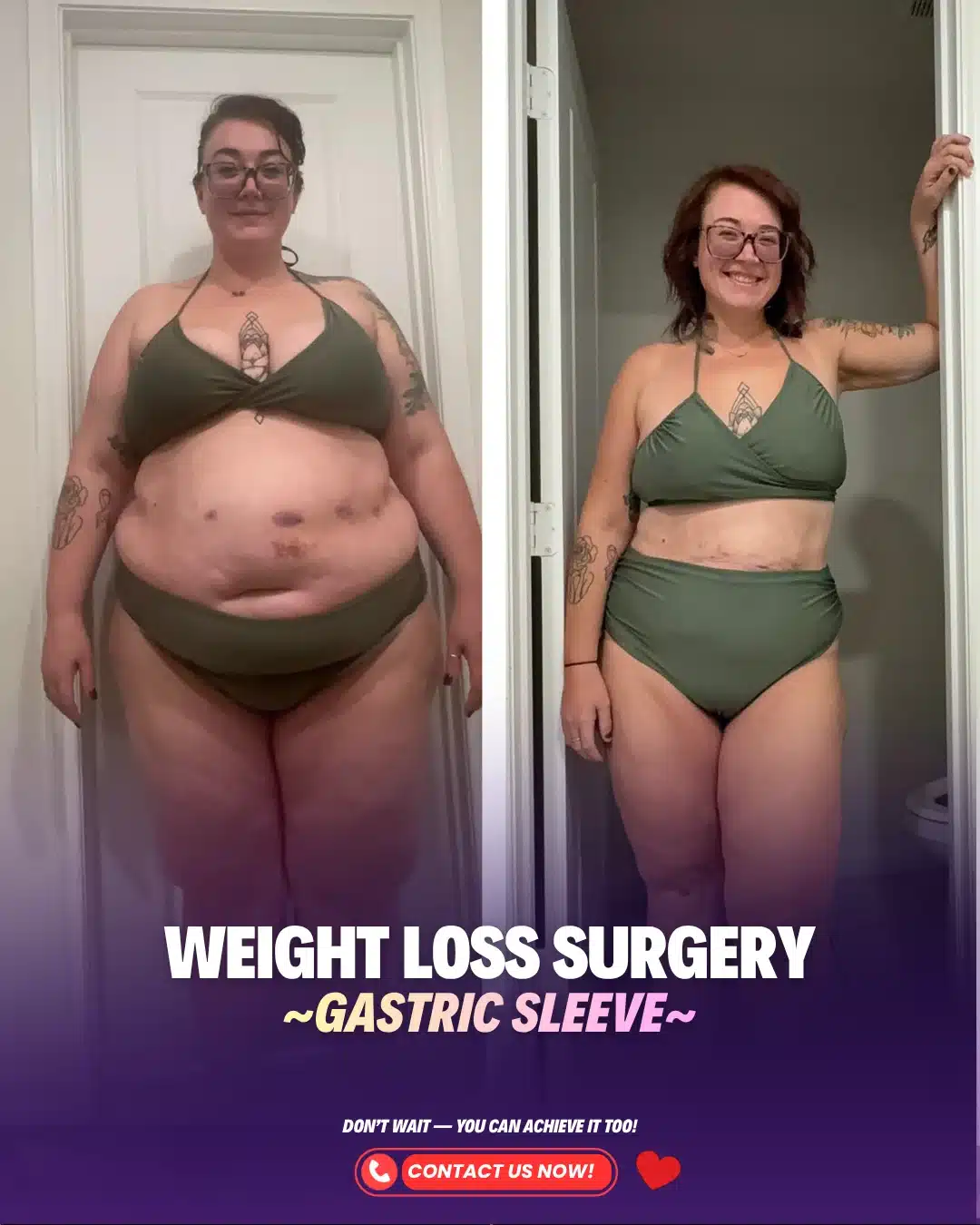
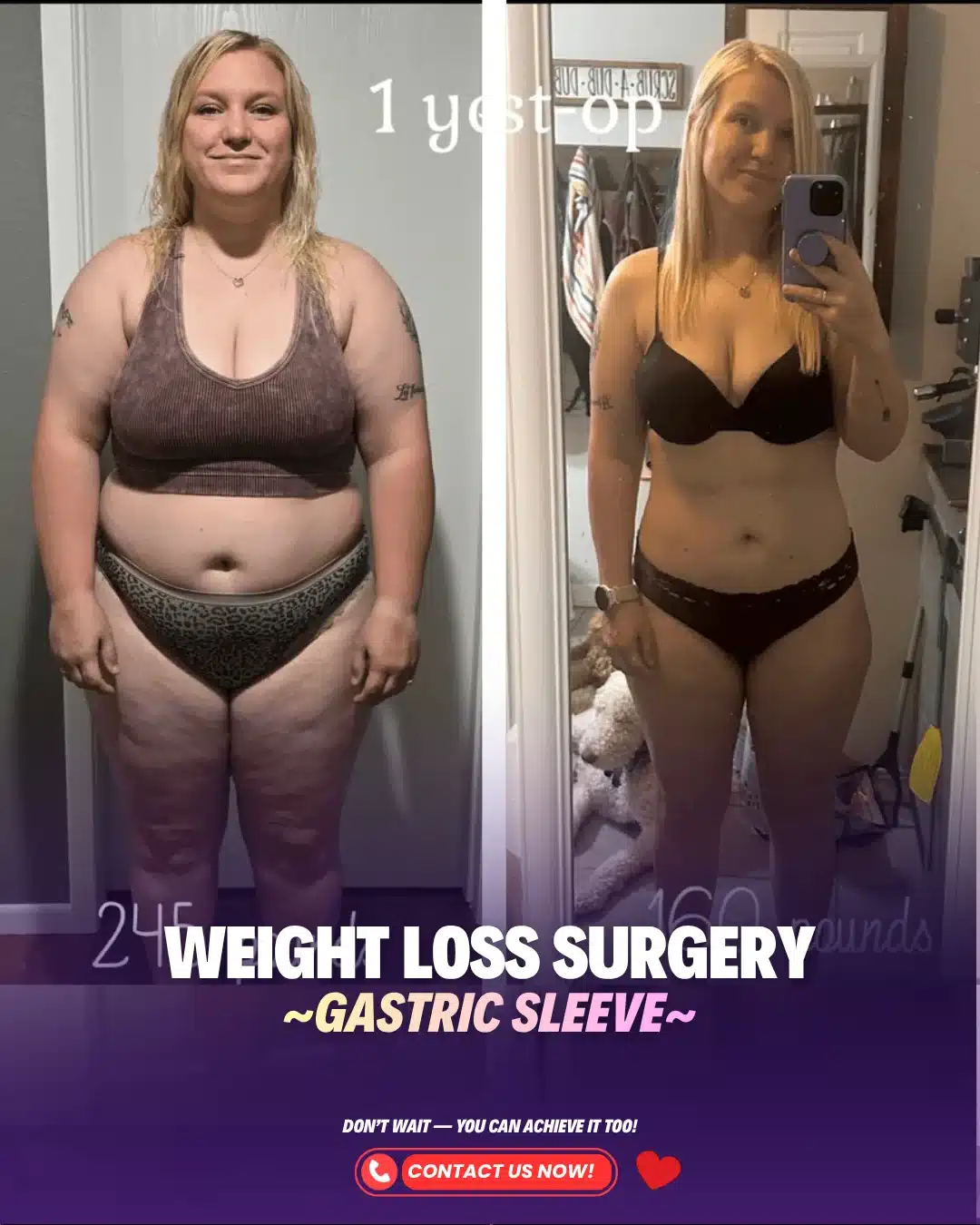
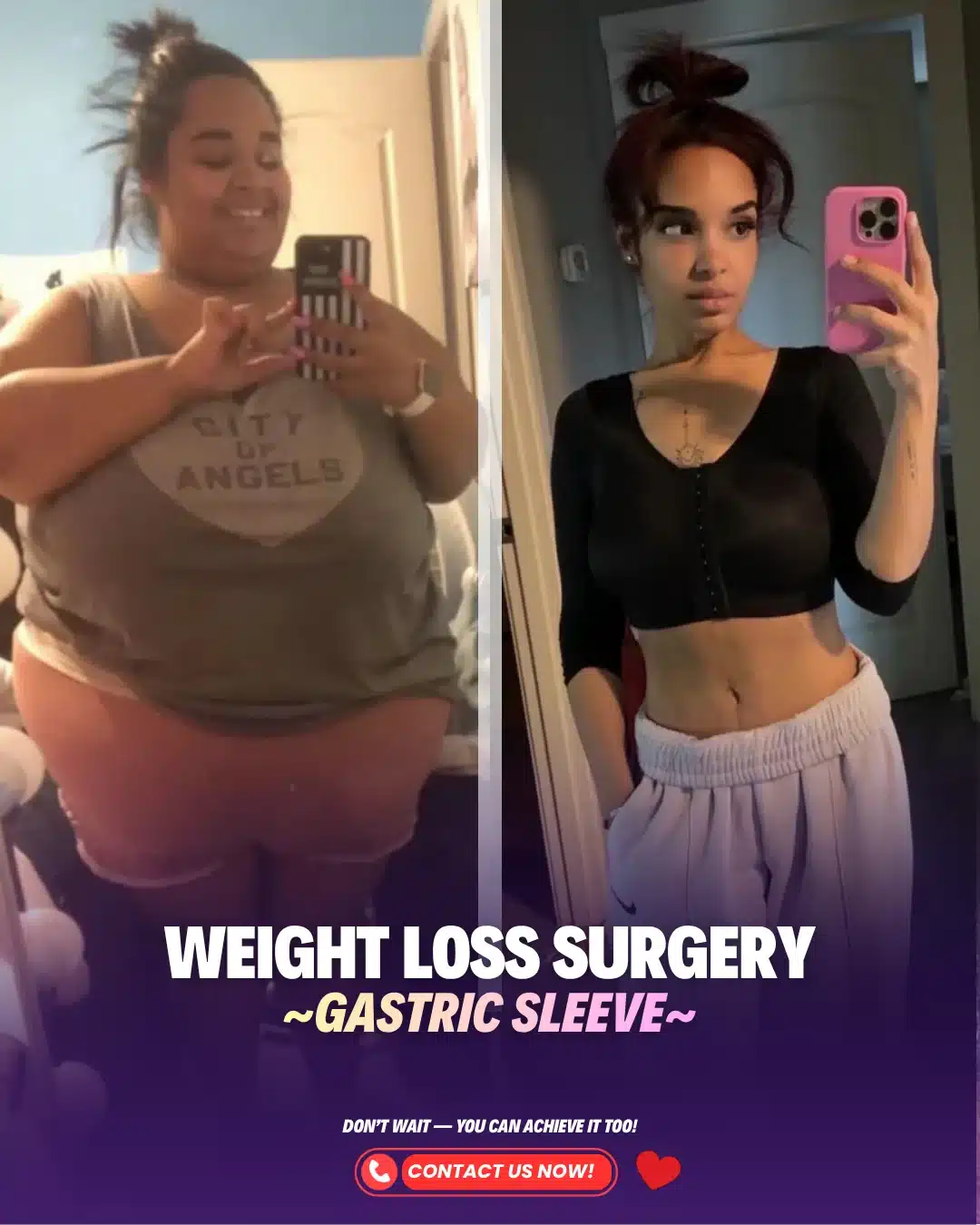
What Is Gastric Sleeve Hair Loss & Why Does It Happen?
The hair loss that many gastric sleeve patients experience is not true “hair loss” (like male-pattern baldness). It is a temporary hair *shedding* condition with a medical name: Telogen Effluvium. To understand this, it helps to know how your hair works. At any given time, most of your hair is in a “growing” phase. A small percentage is in a “resting” (telogen) phase.
When your body goes through a significant “stressor,” it can signal a large number of your hair follicles to prematurely enter the resting phase all at once. A few months later, these resting hairs are shed to make way for new growth. This results in a period of noticeable, diffuse shedding.
So, what “stressors” cause this?
- The Surgery Itself: Any major surgery is a physical stressor that your body needs to recover from.
- Rapid Weight Loss: This is a major (but positive!) shock to your system.
- A Low-Calorie Diet: Your body is taking in far fewer calories.
In short, your body is smart. It recognizes these major changes and decides to divert its “resources” (like protein and nutrients) away from “non-essential” jobs (like growing hair) and toward “essential” jobs (like healing your surgical sites and supporting your vital organs). This is a normal, temporary, and protective mechanism. You are not “losing” your hair; your body is just “pausing” its hair-growth operations to focus on more important tasks. This is a sign the gastric sleeve surgery is working!
Why am I losing hair after my gastric sleeve?
You are likely experiencing telogen effluvium, which is a temporary hair shedding, not permanent hair loss. This is a normal body response to the “stress” of rapid weight loss and a low-calorie diet. Your body diverts protein and nutrients away from hair growth to support your vital organs and healing.
Free WhatsApp Consultation:
Contact us now! 👉 +90 530 917 30 30
Gastric Sleeve Hair Loss: Timeline & Management
Understanding the “when” and “what to do” is the key to managing the stress of gastric sleeve hair loss. As a surgeon with over two decades of experience, Prof. Dr. Karatepe emphasizes to his patients that this phase is temporary and, most importantly, manageable.
The Hair Loss Timeline
This is what panics many patients: the hair loss does *not* start right after surgery. It typically begins 3 to 6 months *after* your surgery. This timing is confusing for many, as they feel they are “past” the recovery phase. This 3-6 month delay is simply the length of the hair follicle’s “resting” (telogen) phase. The “stress” happens on surgery day, the hair goes into rest, and then it is shed 3-6 months later. The shedding phase itself typically lasts for about 3 to 6 months. By the time your weight and nutrition begin to stabilize (usually around 9-12 months post-op), the shedding will slow, and you will see regrowth.
How to Manage and Minimize Hair Loss
You cannot always *prevent* this temporary shedding, but you can 100% *minimize* it and support healthy regrowth by following these non-negotiable rules:
- PROTEIN FIRST. ALWAYS. This is the golden rule. Your hair is made of protein (keratin). If you do not meet your daily protein goal (typically 60-80 grams), your body has no “building blocks” to create new hair. This is the single most important factor you can control.
- TAKE YOUR VITAMINS. This is not optional. You must take your prescribed bariatric-specific multivitamin every single day for life. The key nutrients for hair health are found in this vitamin, including iron (ferritin), zinc, and B-vitamins. A deficiency in any of these will worsen hair loss.
- A Note on Biotin: Many patients ask about taking extra “hair, skin, and nails” supplements with high-dose biotin. While biotin is important, it is already in your bariatric vitamin. Taking “megadoses” of biotin (e.g., 10,000 mcg) is not proven to stop telogen effluvium and can dangerously interfere with important blood tests (like thyroid and heart-health tests). Stick to your prescribed vitamin plan.
- Be Gentle: During the shedding phase, avoid tight hairstyles (ponytails, buns) that pull on the hair. Avoid harsh chemical treatments or excessive heat styling.
The most important thing you can do is be patient and consistent. Stick to your post-op plan, and your hair will recover just as your body does.
Is gastric sleeve hair loss permanent?
No, gastric sleeve hair loss is not permanent. It is a temporary shedding condition called telogen effluvium. The hair follicles are “resting,” not dead. Most patients report that their hair begins to regrow and thicken once their weight and nutrition stabilize, usually around 6 to 12 months after surgery.
Why Choose Prof. Dr. Oguzhan Karatepe? (The Importance of Aftercare)
Your gastric sleeve surgery journey does not end when you leave the operating room. It is a lifelong partnership. Managing long-term side effects like hair loss depends entirely on a strong post-operative support and nutrition program. This is why your choice of surgeon is so critical.
Prof. Dr. Oguzhan Karatepe is a leading figure in bariatric surgery, bringing over 25 years of specialized experience to every patient. With more than 3,000 successful surgeries performed and hundreds of academic publications, his expertise is not just in the technical skill of the laparoscopic gastric sleeve; it is in the long-term, comprehensive management of the bariatric patient.
His academic, professorial background means he has a deep, scientific understanding of the metabolic and nutritional changes you are going through. Our program is built on this foundation, providing you with the clear, evidence-based nutritional guidance that is essential to minimize hair loss, maximize weight loss, and ensure your long-term health. Our expert team is here to help you with personalized surgical solutions that include a world-class aftercare plan.
How to choose the right gastric sleeve surgeon?
Gastric sleeve surgery is performed by a bariatric surgeon (a general surgeon with specialized fellowship training). To manage long-term side effects like gastric sleeve hair loss, you must choose a surgeon with extensive experience (1,000+ procedures) and a comprehensive long-term nutritional and follow-up program. This aftercare is essential for your success.
Free WhatsApp Consultation:
Contact us now! 👉 +90 530 917 30 30

Frequently Asked Questions (FAQ) About Gastric Sleeve Hair Loss
Q: What is gastric sleeve surgery?
A: Gastric sleeve surgery is a weight loss operation where a surgeon removes about 75-80% of the stomach. This leaves a small, “sleeve-shaped” stomach, which restricts food intake and reduces hunger hormones, helping you lose weight effectively.
Q: When does hair loss start after gastric sleeve?
A:Gastric sleeve hair loss typically begins 3 to 6 months *after* your surgery. This is a delayed reaction as your hair follicles, which went into a “resting” phase on surgery day, complete their cycle and shed.
Q: How long does gastric sleeve hair loss last?
A: The period of active shedding (telogen effluvium) typically lasts for about 3 to 6 months. Most patients see the shedding slow down and new regrowth begin once their weight and nutrition start to stabilize, usually around the 9-12 month post-op mark.
Q: Will all my hair fall out?
A: No. This is a common fear, but it is not true. Telogen effluvium is a diffuse *shedding* or *thinning*, not complete baldness (alopecia). You may notice more hair in your brush or in the shower drain, but you will not go bald.
Q: Can I prevent hair loss after gastric sleeve?
A: You cannot always prevent it, as it is a normal response to rapid weight loss. However, you can significantly minimize it by 1) hitting your daily protein goals, and 2) taking your bariatric vitamins every single day without fail.
Q: What are the best vitamins for hair loss after gastric sleeve?
A: The “best” vitamin is the one your surgeon prescribes. Your body’s needs are highest for Iron (ferritin), Zinc, and B-Vitamins. A high-quality, bariatric-specific multivitamin will contain the right levels of these nutrients. Do not self-prescribe; follow your team’s plan.
Q: Does my protein intake really affect hair loss?
A: Yes. This is the most important factor. Your hair is made of protein. If you do not eat enough protein (60-80g/day), your body cannot produce new hair. Low protein is the #1 cause of severe, prolonged hair loss after surgery.
Q: Will my hair grow back the same?
A: Yes, for the vast majority of patients, the hair grows back completely. Some patients report a temporary change in texture (e.g., curlier or finer), but this usually returns to normal over time.
Q: Does everyone lose hair after a gastric sleeve?
A: No, not everyone. It is very common (about 30-40% of patients report it), but it is not a guarantee. Patients who are diligent with their protein and vitamin intake from day one often report less significant shedding.
Q: Are there any shampoos or treatments that work?
A: Shampoos or topical treatments (like minoxidil) are not effective for telogen effluvium. This is not a “scalp problem”; it is an internal nutrition and stress problem. The only “treatment” is good nutrition (especially protein) and patience.
Legal Disclaimer
This information is for general educational purposes only and is not a substitute for professional medical advice. For personalized treatment plans, please contact Prof. Dr. Oguzhan Karatepe directly.
Contact Us Today
Our expert team in gastric sleeve surgery is ready to assist you. If you have more questions about gastric sleeve hair loss or other aspects of the post-op journey, please reach out to us.
Free WhatsApp Consultation:
Contact us now! 👉 +90 530 917 30 30
How can I book an appointment?
You can contact us directly via phone, WhatsApp, or by filling out the online contact form on our website. Our dedicated patient coordinators will be happy to schedule your free, no-obligation consultation.