Gastric Sleeve Scars: A Patient’s Guide to What to Expect (Healing & Minimization)
Welcome to our educational guide on gastric sleeve scars. If you are considering gastric sleeve surgery, you are likely wondering about the physical changes, including what kind of scarring to expect. This is a very common and practical question. Many patients who are excited about their weight loss journey are also understandably concerned about the cosmetic outcome.
The great news is that modern bariatric surgery has advanced significantly. The days of large, open surgical scars are long gone. Today, the procedure is minimally invasive, and the resulting scars are very small. Our expert team is here to help you understand exactly what to expect, from the size of the incisions to the healing process, as part of our commitment to personalized surgical solutions.
Free WhatsApp Consultation:
Contact us now! 👉 +90 530 489 94 74
Our patıents
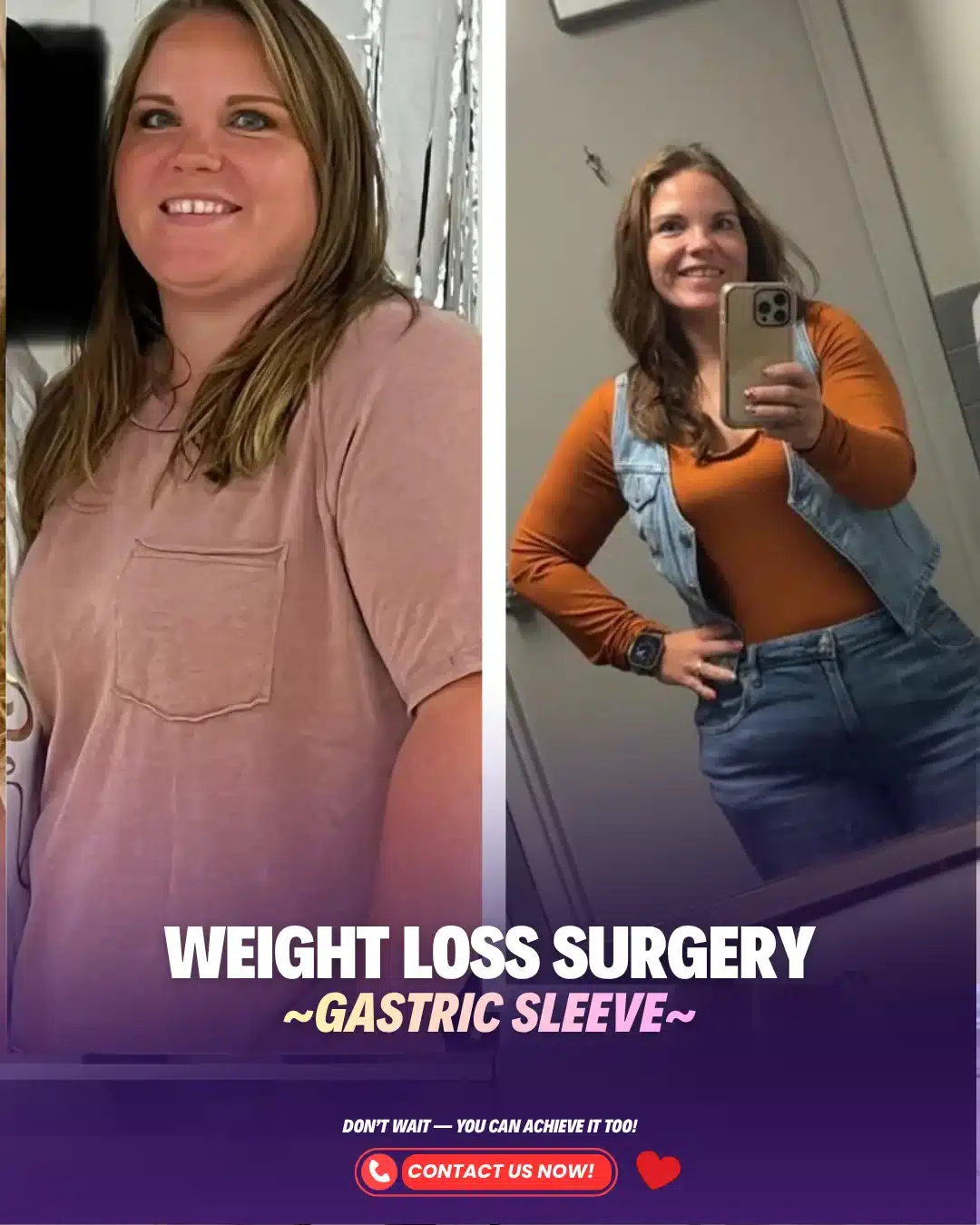
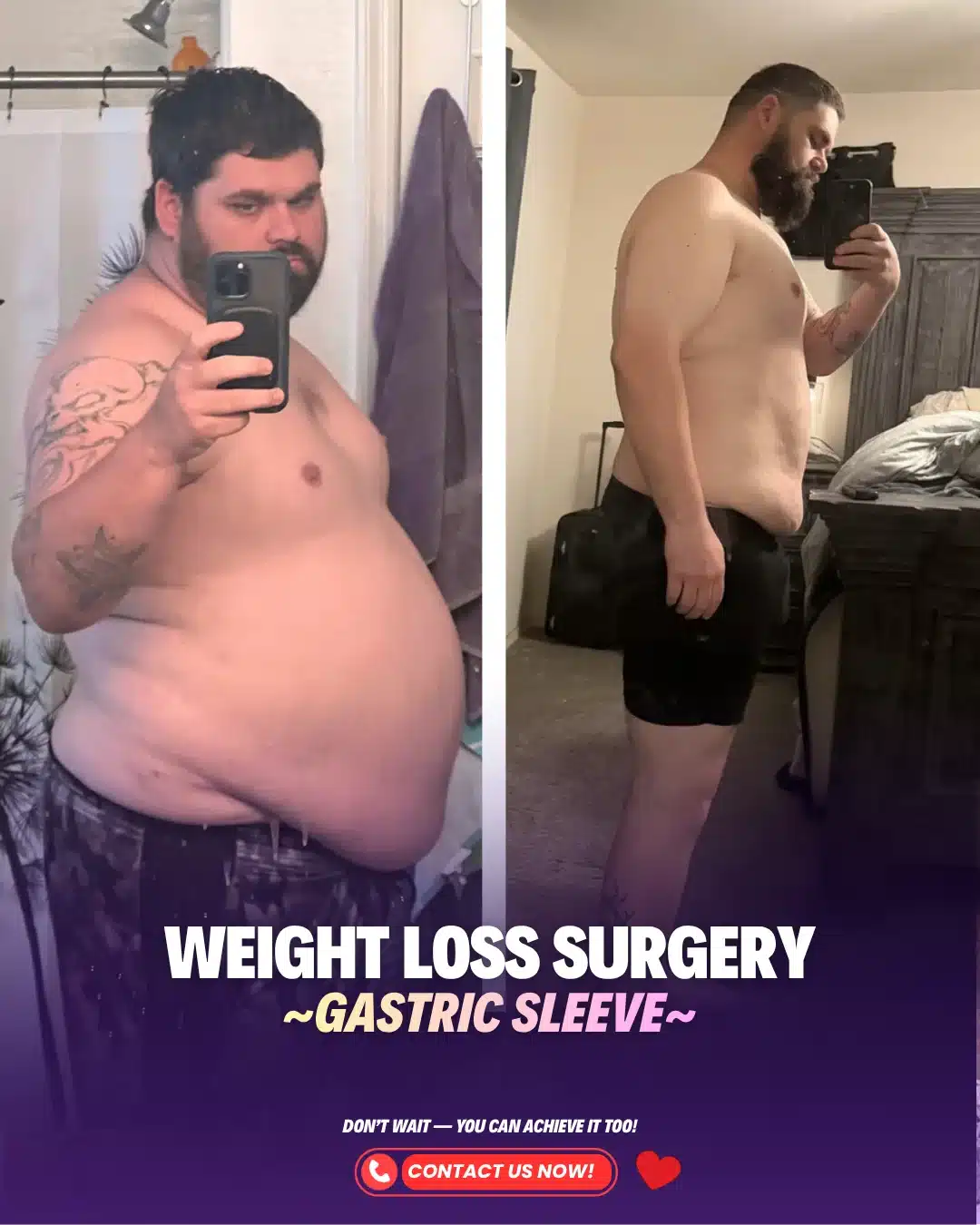
Meet Some of Our Patients Who Underwent Gastric Sleeve Surgery

What Causes Gastric Sleeve Scars? The Laparoscopic Method
To understand gastric sleeve scars, you first need to understand *how* the surgery is performed. Your procedure will not be “open surgery” with one large incision. Instead, gastric sleeve surgery is a laparoscopic procedure, which is also known as “keyhole surgery.”
This minimally invasive technique is the gold standard for bariatric procedures. Here is how it works:
- Your surgeon, Prof. Dr. Oguzhan Karatepe, will make 3 to 5 very small incisions in your abdomen.
- A tiny, high-definition camera (the “laparoscope”) is inserted into one of these “ports.” This camera projects a magnified view of the inside of your abdomen onto high-definition monitors in the operating room.
- Long, thin surgical instruments are inserted through the other ports. Your surgeon uses these tools, guided by the camera, to perform the entire operation.
- During the gastric sleeve, about 75-80% of the stomach is separated and removed. This means one of the small incisions will be made slightly wider (often 1-2 cm) so the portion of the stomach can be safely removed from the body.
The result of this advanced technique is a much safer surgery, a faster gastric sleeve recovery time, and, to answer your question, minimal scarring. You will not have one large scar. Instead, you will have a few small marks that are often compared to the size of a freckle or a small cut once they are fully healed.
What do gastric sleeve scars look like?
Most patients will have 3 to 5 small gastric sleeve scars. Each incision is typically 1 to 1.5 centimetres (about 0.5 inches) long. They look like small, thin lines. Over time, these small lines fade significantly from red or purple to a pale silver or white, and in many skin types, they become barely noticeable.
Free WhatsApp Consultation:
Contact us now! 👉 +90 530 489 94 74
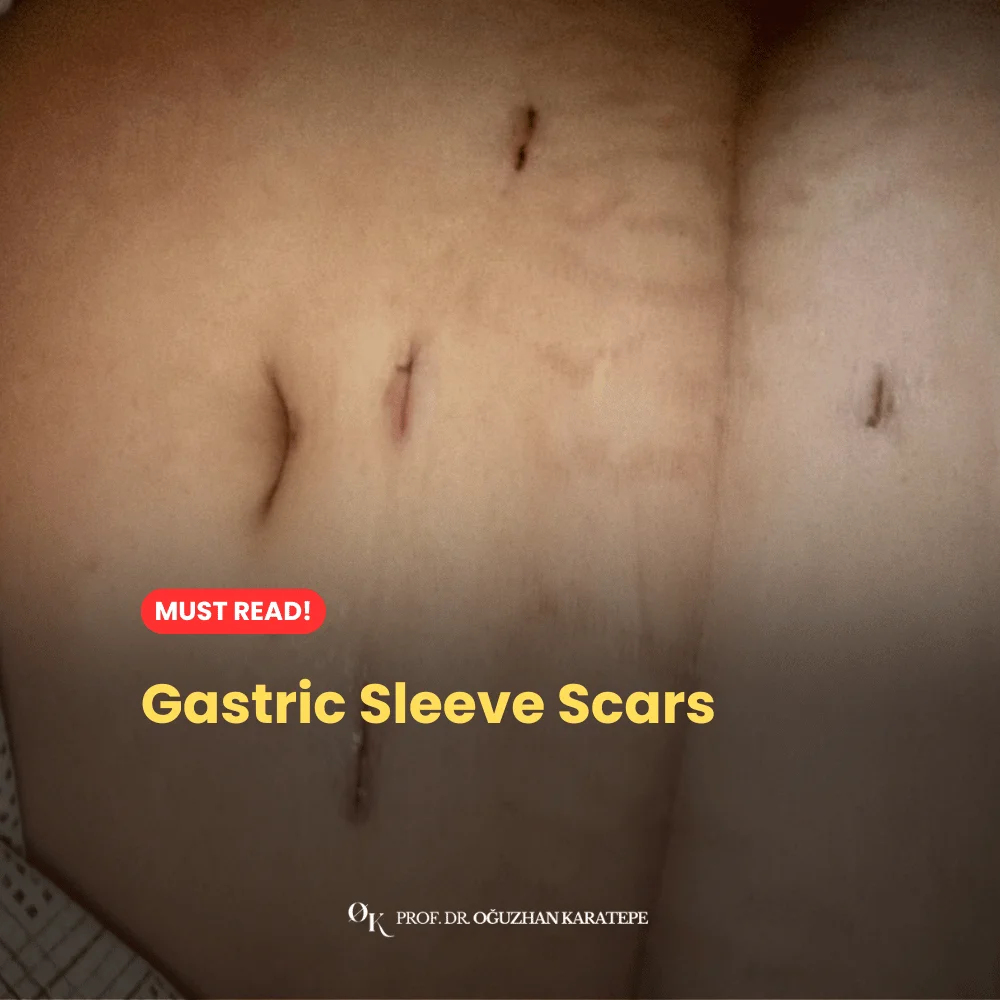
The Gastric Sleeve Scar Healing Timeline: What to Expect
Your gastric sleeve incisions will heal in stages. It is important to be patient with your body and understand this timeline so you are not alarmed by the normal healing process. A scar can take a full year or more to “mature” to its final appearance.
Phase 1: The First 2-3 Weeks (The Incision Phase)
This is the initial healing stage. Your incisions will be closed with sutures (stitches), surgical glue, or steri-strips. They may look red, slightly swollen, and you might see some bruising. Your primary job during this phase is to keep the incisions clean and dry, following your surgeon’s specific instructions. You will be able to shower, but you should gently pat the area dry and avoid soaking in a bath, hot tub, or swimming pool. The incisions are typically fully “closed” by the end of week 2 or 3.
Phase 2: Week 3 to Month 6 (The “Remodeling” Phase)
Once your incisions are closed, the *scar* formation begins. During this time, your scars may look darker, red, or even raised and lumpy. This is a normal part of the healing process. Your body is sending a large supply of collagen to the area to build a strong new “weld.” This is not what your final scar will look like. Once your surgeon gives you clearance (usually around 3-4 weeks post-op), you can often begin to *gently* massage the scars or use tools like silicone strips, which can help them heal flatter.
Phase 3: Month 6 to 18+ (The “Maturation” Phase)
This is where the magic happens. Your body’s healing process slows down, and the scar begins to mature. The excess collagen breaks down, and the scar will gradually flatten, soften, and lighten in colour. It will fade from red or dark pink to a pale, silvery line. The final appearance of your gastric sleeve scars is often not seen until 12 to 18 months after your surgery. A critical tip: You must protect your new scars from the sun. UV rays can permanently darken a new scar, so keep them covered or use a high-SPF sunscreen for at least the first year.
How long does it take for gastric sleeve scars to heal?
The small gastric sleeve incisions are typically closed and healed within 2 to 3 weeks, allowing you to resume most normal activities. However, the *scar* itself takes much longer to mature. You can expect your gastric sleeve scars to gradually fade, flatten, and soften over 6 to 18 months.
Free WhatsApp Consultation:
Contact us now! 👉 +90 530 489 94 74
Why Choose Prof. Dr. Oguzhan Karatepe? (The Surgeon’s Role in Minimizing Scars)
Your gastric sleeve scars are a direct result of your surgeon’s technical skill. The precision of the incisions, the gentle handling of your tissue, and the advanced techniques used all play a major role in how you heal. This is where a surgeon’s experience is paramount.
Prof. Dr. Oguzhan Karatepe is a leading figure in bariatric surgery, bringing over 25 years of specialized experience to every patient. With more than 3,000 successful surgeries performed, he is a high-volume surgeon. This level of experience is proven to lead to safer surgeries, faster recovery times, and cleaner, more precise outcomes.
He is a master of advanced laparoscopic and robotic surgery. This expertise ensures:
- Maximum Precision: Using robotic or laparoscopic tools, the incisions are made with exactness, minimizing trauma to the surrounding skin and tissue.
- Minimal Tissue Handling: An experienced surgeon works efficiently and gently, which reduces inflammation and promotes better healing.
- Optimal Port Placement: A surgeon with thousands of cases knows exactly where to place the “keyholes” for the best surgical access, which can often be in less conspicuous areas.
When you choose a surgeon like Prof. Dr. Karatepe, you are not just choosing gastric sleeve surgery; you are choosing an expert who has dedicated his career to refining these minimally invasive techniques for the best possible patient outcome, including the cosmetic result.
How to choose the right gastric sleeve surgeon?
Gastric sleeve surgery is performed by a bariatric surgeon, who is a general surgeon with specialized fellowship training in weight loss procedures. When choosing a surgeon, look for an expert in laparoscopic and robotic surgery. A surgeon’s precision, experience, and technique will directly impact your gastric sleeve scars and overall healing.

Frequently Asked Questions (FAQ) About Gastric Sleeve Scars
Q: What is gastric sleeve surgery?
A: Gastric sleeve surgery is a weight loss operation where a surgeon removes about 75-80% of the stomach. This leaves a small, “sleeve-shaped” stomach, which restricts food intake and reduces hunger hormones, helping you lose weight effectively.
Q: How many scars will I have after a gastric sleeve?
A: Most patients will have 3 to 5 small incisions. This can vary slightly based on your specific anatomy and the surgical technique used.
Q: Will my gastric sleeve scars be noticeable?
A: This is a very common concern. Because the scars are so small (about 1-1.5 cm), they heal very well. Over 1-2 years, they fade significantly. For many patients, they are barely noticeable and are easily hidden by a bathing suit or waistband.
Q: Why is one gastric sleeve scar bigger than the others?
A: This is normal and necessary. The surgeon must make one of the “keyhole” incisions slightly wider. This is the port that is used to safely remove the 75-80% of your stomach that has been separated. This port is still very small and is closed with great care.
Q: How can I minimize my gastric sleeve scars?
A:1. Follow post-op rules: Keep your incisions clean and dry. 2. No smoking: Smoking destroys blood flow and will make your scars heal poorly. 3. Sunscreen: Protect your scars from the sun for at least one year. 4. Nutrition & Hydration: Good hydration and high protein intake give your body the building blocks to heal. 5. Silicone Strips: Once cleared by your surgeon, you can use over-the-counter silicone scar sheets, which are proven to help scars heal flatter and softer.
Q: What if I get keloid scars?
A: Keloids are a type of raised, thick scar that is caused by your body’s genetics. They are more common in certain skin types. If you have a personal or family history of keloids, you must tell your surgeon. While we cannot change your genetics, there are special techniques and post-op treatments we can use to minimize the risk.
Q: Do the gastric sleeve scars ever go away completely?
A: A scar is, by definition, permanent. It will not “disappear.” However, laparoscopic scars are so small that they fade to a point where you may not even notice them yourself. They become fine, pale lines rather than a large, visible surgical scar.
Q: What is SILS (Single Incision) surgery?
A: SILS (Single Incision Laparoscopic Surgery) is a technique where the entire surgery is performed through a single incision, often hidden in the belly button (umbilicus). This results in a virtually “scar-less” outcome. However, it is a more complex technique and is not suitable for every patient. Prof. Dr. Karatepe can discuss if this is a safe option for you.
Q: How do I care for my incisions right after surgery?
A: Do not scrub them. When you shower, let soapy water run over them and gently pat them dry with a clean towel. Do not apply any creams, ointments, or alcohol unless specifically instructed by your surgeon. Do not soak in a tub or pool until they are 100% healed.
Q: Is loose skin the same as a scar?
A: No, they are very different. Gastric sleeve scars are the small (1-1.5 cm) lines where the surgical tools were inserted. Loose skin is a common side effect of *massive weight loss* (from any method) and is not related to the incisions themselves.
Legal Disclaimer
This information is for general educational purposes only and is not a substitute for professional medical advice. For personalized treatment plans, please contact Prof. Dr. Oguzhan Karatepe directly.
Contact Us Today
Our expert team in gastric sleeve surgery is ready to assist you. If you have more questions about gastric sleeve scars or your gastric sleeve recovery, please reach out to us.
Free WhatsApp Consultation:
Contact us now! 👉 +90 530 489 94 74
How can I book an appointment?
You can contact us directly via phone, WhatsApp, or by filling out the online contact form on our website. Our dedicated patient coordinators will be happy to schedule your free, no-obligation consultation.