Bariatric Surgery Success Rates: A Patient’s Guide to Long-Term Results
Welcome to our expert guide on bariatric surgery success rates. If you are exploring weight loss surgery, your most important question is likely, “Will this work for me?” You want to see the data and understand what a “successful” outcome really looks like.
This page is designed to be a clear, factual, and educational resource. We will explain how success is measured (it is not just weight loss), what the statistics show for different procedures, and the most important factor in your long-term success. Our expert team is here to help you understand every step of this life-changing journey and provide personalized surgical solutions.
Free WhatsApp Consultation:
Contact us now! 👉 +90 530 489 94 74
Our patıents
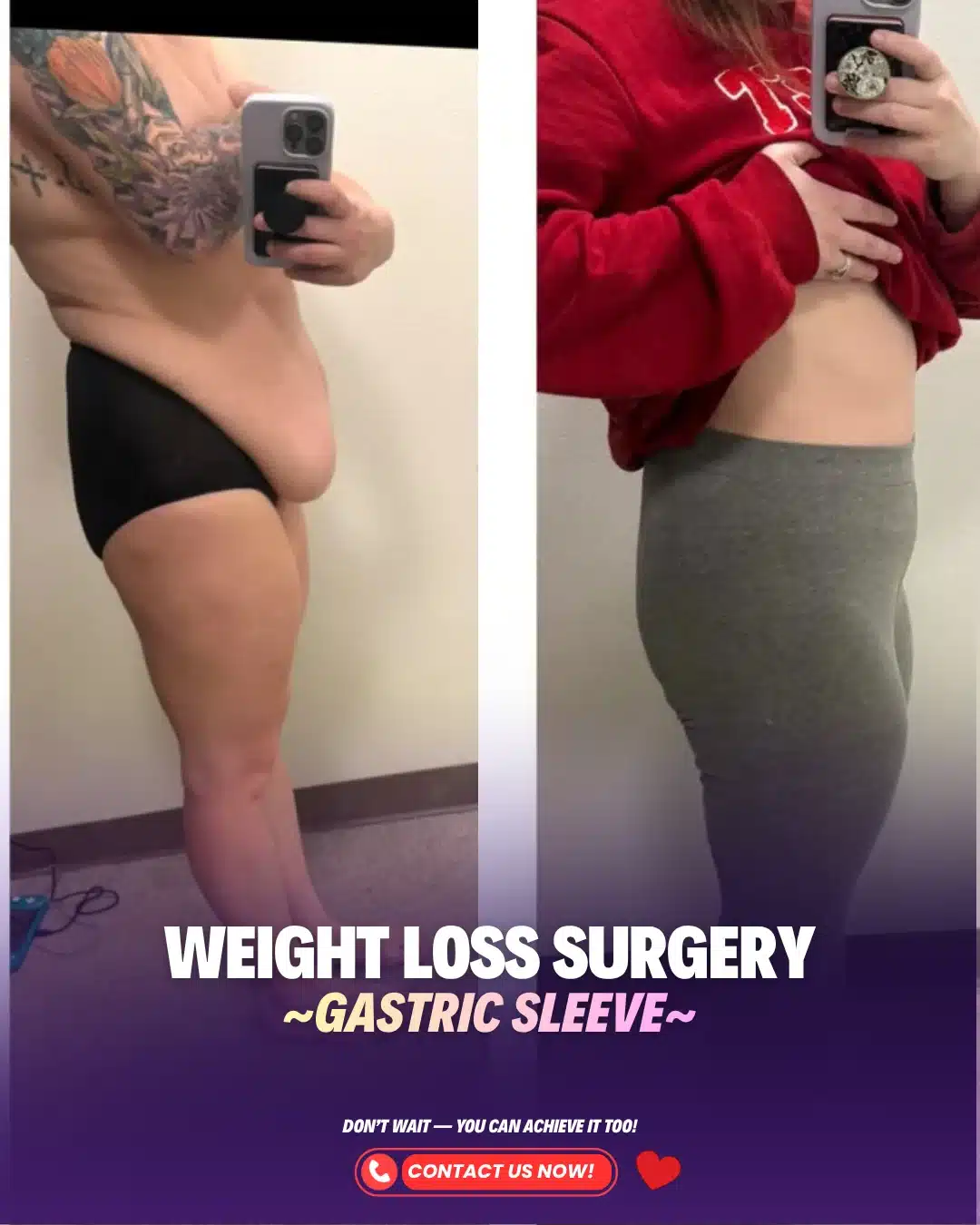
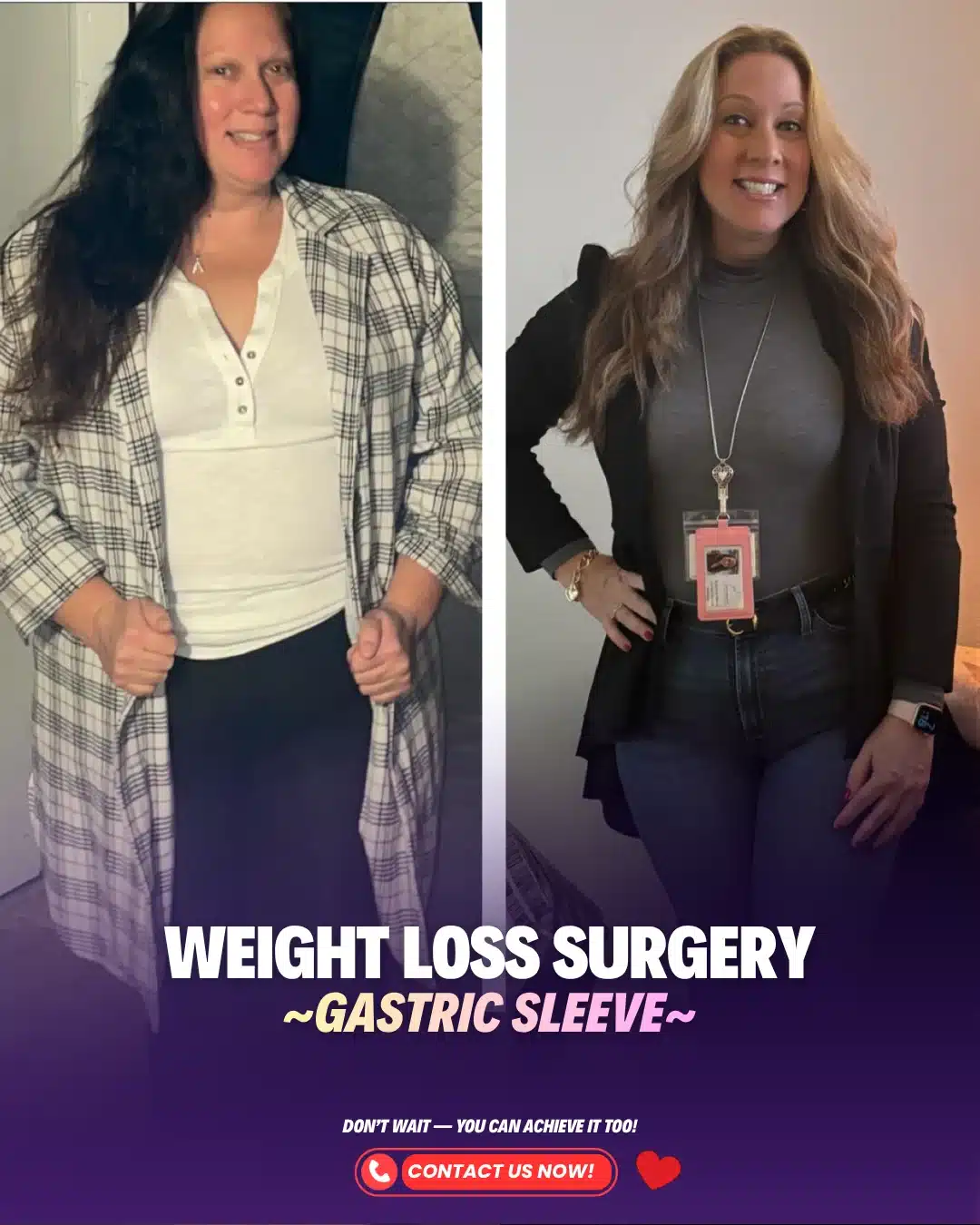
Meet Some of Our Patients Who Underwent Bariatric Surgery

What Is “Success” in Bariatric Surgery? (Weight Loss vs. Health Gain)
First, we must define “success.” In bariatric medicine, “success” is not just about a number on a scale. It has two main pillars:
- Significant, Maintained Weight Loss: This is the most visible metric.
- Improved Health (Health Gain): This is the most important metric.
As a surgeon with over two decades of experience, Prof. Dr. Karatepe emphasizes to his patients that the goal of bariatric surgery is not to make you “skinny,” but to make you *healthy*. The weight loss is the tool we use to achieve the “health gain.”
The “health gain” is the dramatic improvement or complete remission of serious, life-threatening obesity-related health conditions. A successful surgery is one that resolves:
- High Blood Sugar (Type 2 Diabetes)
- High Blood Pressure (Hypertension)
- High Cholesterol
- Severe Obstructive Sleep Apnoea
- Severe Joint Pain
For weight loss, we use a medical standard called “Percentage of Excess Body Weight” (%EBW). This is the most accurate way to measure success, as it is personalized to you.
What is %EBW (Excess Body Weight Loss)?
Excess Body Weight (%EBW) is the medical standard for tracking weight loss. It is the percentage of the “extra” weight you have lost. The formula is: Your Current Weight – Your Ideal Body Weight = Your Excess Body Weight. If you have 100 pounds of excess weight, a 70% %EBW loss means you have lost 70 pounds.
Bariatric Surgery Success Rates: A Look at the Data
The success rates of bariatric surgery are high, but they can differ slightly depending on the type of bariatric surgery performed. The two “gold standard” procedures performed today are the Sleeve Gastrectomy (Gastric Sleeve) and the Roux-en-Y Gastric Bypass.
Sleeve Gastrectomy (Gastric Sleeve) Success Rate
The gastric sleeve is the most common bariatric surgery performed worldwide. It works by removing 75-80% of the stomach, which provides both restriction (you feel full on less food) and a powerful hormonal effect (it removes the part of the stomach that produces the hunger hormone, ghrelin).
- Weight Loss Success: On average, gastric sleeve patients lose 60% to 70% of their excess body weight within 12 to 18 months.
- Health Gain Success: The success rate for resolving health problems is excellent. Studies show that bariatric surgery can lead to the remission of high blood sugar (type 2 diabetes) in up to 60-80% of patients. It also has a very high success rate for improving high blood pressure and sleep apnoea.
Gastric Bypass (Roux-en-Y) Success Rate
The gastric bypass is a more complex procedure. It involves creating a small stomach pouch and “bypassing” a portion of the small intestine. It works through restriction and malabsorption (absorbing fewer calories).
- Weight Loss Success: The gastric bypass has a slightly higher average weight loss, with many patients losing 70% to 80% of their excess body weight.
- Health Gain Success: It is considered the “gold standard” for resolving high blood sugar (type 2 diabetes), with a success rate of over 80-90% remission in many patients. However, it also has a higher risk of long-term nutritional deficiencies and a side effect called “dumping syndrome.”
What is the success rate of gastric sleeve surgery?
The gastric sleeve success rate is excellent. On average, patients lose 60% to 70% of their excess body weight within 12 to 18 months. It also has a very high success rate for improving or resolving health conditions like high blood sugar (type 2 diabetes) and high blood pressure, leading to a major improvement in quality of life.
Free WhatsApp Consultation:
Contact us now! 👉 +90 530 489 94 74
What About Long-Term Success and Weight Regain?
An honest discussion about bariatric surgery success rates must include the topic of weight regain. This is not a “failure,” but a known challenge of the chronic disease of obesity.
Long-term “success” in bariatric medicine is generally defined as keeping at least 50% of your excess body weight off for 5 years or more. By this standard, the vast majority of bariatric surgery patients are highly successful.
However, it is possible for some patients to regain a portion of their weight (often 10-20% of what was lost) 2 to 5 years after their surgery. This is not a “failure” of the surgery, but a sign that the chronic disease of obesity is fighting back. This is why bariatric surgery is not a “magic cure” but a powerful tool.
Your long-term success is a partnership between the powerful tool your surgeon provides and your lifelong commitment to using it. This includes:
- Following your post-op diet and focusing on “protein first.”
- Avoiding “slider foods” (high-calorie, soft foods like ice cream or crisps) that can “cheat” the sleeve.
- Committing to regular physical activity.
- Attending your long-term follow-up appointments.
If weight regain does happen, we have many tools to help, including bariatric revision surgery for patients who are eligible.
Is it common to regain weight after bariatric surgery?
It is possible for some patients to regain a portion of their weight (often 10-20% of what was lost) after several years. This is not a “failure,” but a sign that the chronic disease of obesity needs to be re-addressed. With a strong support system and a recommitment to the lifestyle, this can be managed. A bariatric revision is also an option for some.
How Your Surgeon’s Experience Impacts Your Success Rate (Why Choose Prof. Dr. Oguzhan Karatepe?)
With over 25 years of experience, thousands of successful cases, and expertise in robotic and laparoscopic surgery, Prof. Dr. Karatepe is a leading figure in gastric sleeve procedures.
Your choice of surgeon is the single most important factor in your bariatric surgery success rate. An experienced surgeon gives you the best possible start.
Here is why a surgeon’s experience is so critical:
- Lower Complication Rates = Higher Success. The first step to success is safety. A “high-volume” surgeon—one who has performed over 3,000 successful surgeries like Prof. Dr. Karatepe—is statistically proven to have lower complication rates, safer procedures, and better patient outcomes.
- A “Better” Sleeve. The technical skill of the surgeon is an art. A master surgeon performing a laparoscopic gastric sleeve creates a “perfect” sleeve that is not too tight (which causes vomiting) and not too loose (which causes poor weight loss). This precision is key to your long-term success.
- Academic & Metabolic Expertise. As a Professor of Surgery with hundreds of academic publications, Prof. Dr. Karatepe is not just a technician; he is an academic authority on the complex metabolic changes (like the resolution of high blood sugar) that bariatric surgery creates. This expertise is vital for guiding your long-term health.
Our expert team is here to help you, and our commitment is to provide a personalized surgical solution built on a foundation of world-class experience to give you the highest possible chance of success.
Free WhatsApp Consultation:
Contact us now! 👉 +90 530 489 94 74
How to choose the right bariatric surgeon?
Bariatric surgery is performed by a bariatric surgeon, who is a general surgeon with specialized fellowship training in weight loss procedures. To ensure a high bariatric surgery success rate, you must choose a surgeon with extensive, verifiable experience (1,000+ procedures), board certification, and who operates in an accredited (e.g., JCI) hospital.
Frequently Asked Questions (FAQ) About Bariatric Surgery Success Rates
Q: What is bariatric surgery?
A:Bariatric surgery is the medical term for weight loss surgery. It is a group of procedures, like the gastric sleeve, that help you lose weight by making changes to your digestive system’s size and hormones.
Q: What is the success rate for bariatric surgery after 10 years?
A: Long-term studies are excellent. The “gold standard” of success is maintaining at least 50% of your excess body weight loss. By this metric, the bariatric surgery success rate at 10 years and beyond is very high, with most patients maintaining significant, life-changing weight loss.
Q: What is the “failure rate” of gastric sleeve surgery?
A: “Failure” is a harsh word, as any weight loss is a health gain. However, “insufficient weight loss” (losing less than 25-30% of excess weight) or significant weight regain can happen in 15-20% of patients. This is often due to not following the diet or an anatomical issue like sleeve stretching, which can be fixed with a bariatric revision surgery.
Q: How do I ensure my bariatric surgery is successful?
A: Success is a partnership. Your surgeon gives you the tool. Your job is to use it. The keys to success are: 1) Follow the post-op diet (protein first). 2) Take your bariatric vitamins for life. 3) Engage in regular physical activity. 4) Attend all your follow-up appointments.
Q: What is the success rate for reversing high blood sugar (diabetes)?
A: The “health gain” success rate is one of the biggest pros of bariatric surgery. For a gastric sleeve, the remission rate for Type 2 diabetes is up to 60-80%. For a gastric bypass, it is even higher, at 80-90%.
Q: How much weight will I lose with a gastric sleeve?
A: On average, patients lose 60% to 70% of their excess body weight within the first 12 to 18 months.
Q: Will I have loose skin after a successful surgery?
A: Loose skin is a very common side effect of successful, massive weight loss, not a side effect of the surgery itself. The amount of loose skin you have will depend on your age, genetics, and total weight lost.
Q: What is the recovery time?
A: The gastric sleeve recovery time is fast. Most patients stay in the hospital 2-3 nights and can return to a desk job or light activities in 2 to 4 weeks.
Q: Will I lose my hair after my bariatric surgery?
A: This is a common, temporary side effect of rapid weight loss, not a sign of failure. This shedding (telogen effluvium) happens 3-6 months post-op and is not permanent. It is minimized by hitting your protein and vitamin goals. *
Q: Why choose Turkey for bariatric surgery?
A: Patients choose Turkey to access world-class, highly experienced surgeons (like Prof. Dr. Karatepe) in JCI-accredited hospitals. You can get immediate, affordable care at a standard of quality that meets or exceeds that in the US, UK, or Australia, for a fraction of the cost.
Legal Disclaimer
This information is for general educational purposes only and is not a substitute for professional medical advice. For personalized treatment plans, please contact Prof. Dr. Oguzhan Karatepe directly.
Contact Us Today
Our expert team in bariatric surgery is ready to assist you. If you would like to discuss your personal bariatric surgery success rate or wish to schedule a consultation, please reach out to us.
Free WhatsApp Consultation:
Contact us now! 👉 +90 530 489 94 74
How can I book an appointment?
You can contact us directly via phone, WhatsApp, or by filling out the online contact form on our website. Our dedicated patient coordinators will be happy to schedule your free, no-obligation consultation.