The Gastric Sleeve Pre-Op Diet: A Complete Guide to Preparing for Your Surgery
Welcome to our educational guide on the gastric sleeve pre-op diet. If you are preparing for gastric sleeve surgery, your surgical team has likely discussed a special diet you must follow for one to two weeks before your procedure. This pre-operative diet is one of the most critical steps in your entire weight loss surgery journey.
You may be wondering, “Why do I have to diet *before* the surgery?” This page is designed to answer that question clearly and factually. It is a vital safety measure. As a leading bariatric team with decades of experience, our expert team is here to help you understand why this step is so important and provide personalized surgical solutions for a safe and successful outcome.
Free WhatsApp Consultation:
Contact us now! 👉 +90 530 917 30 30
Our patıents
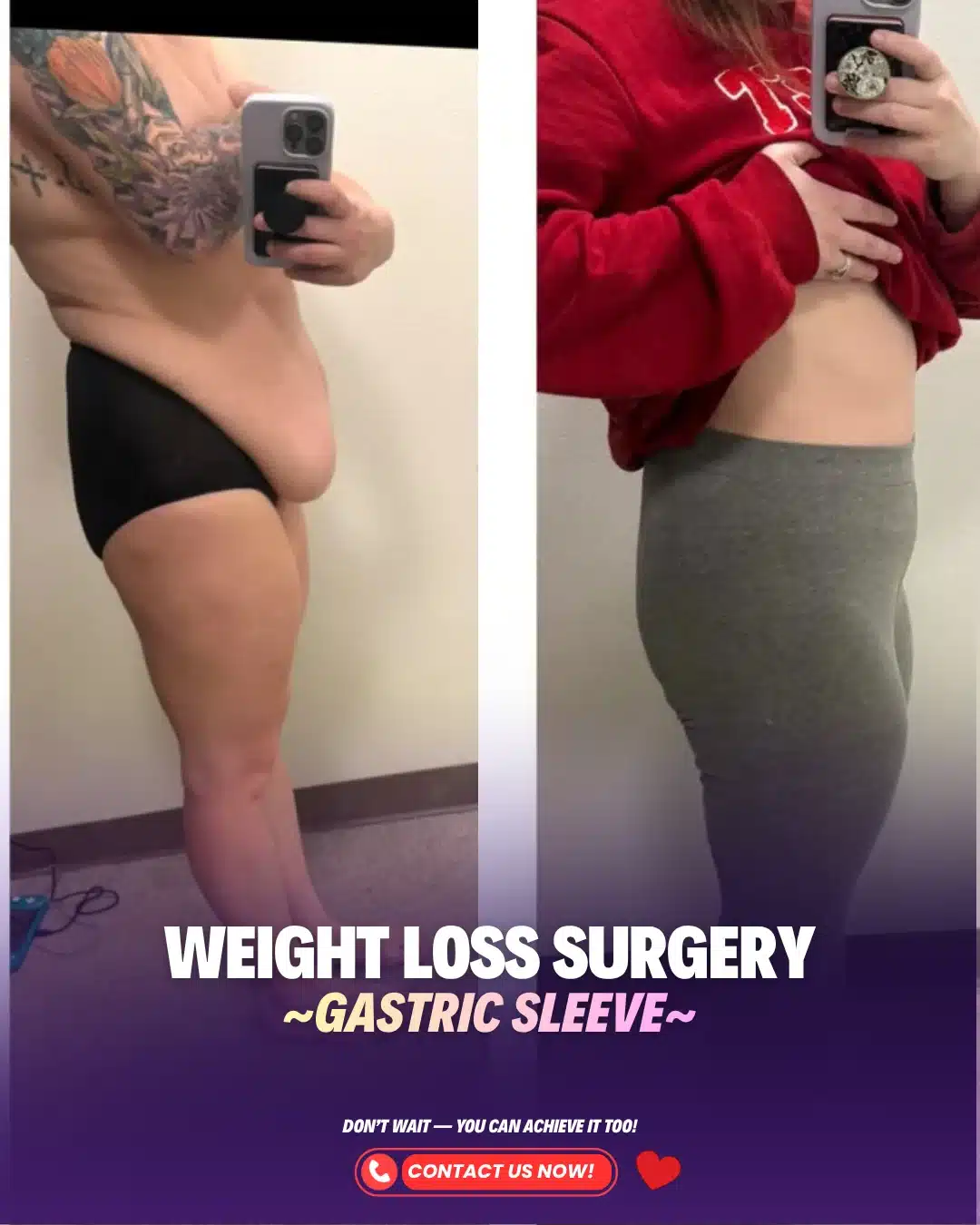
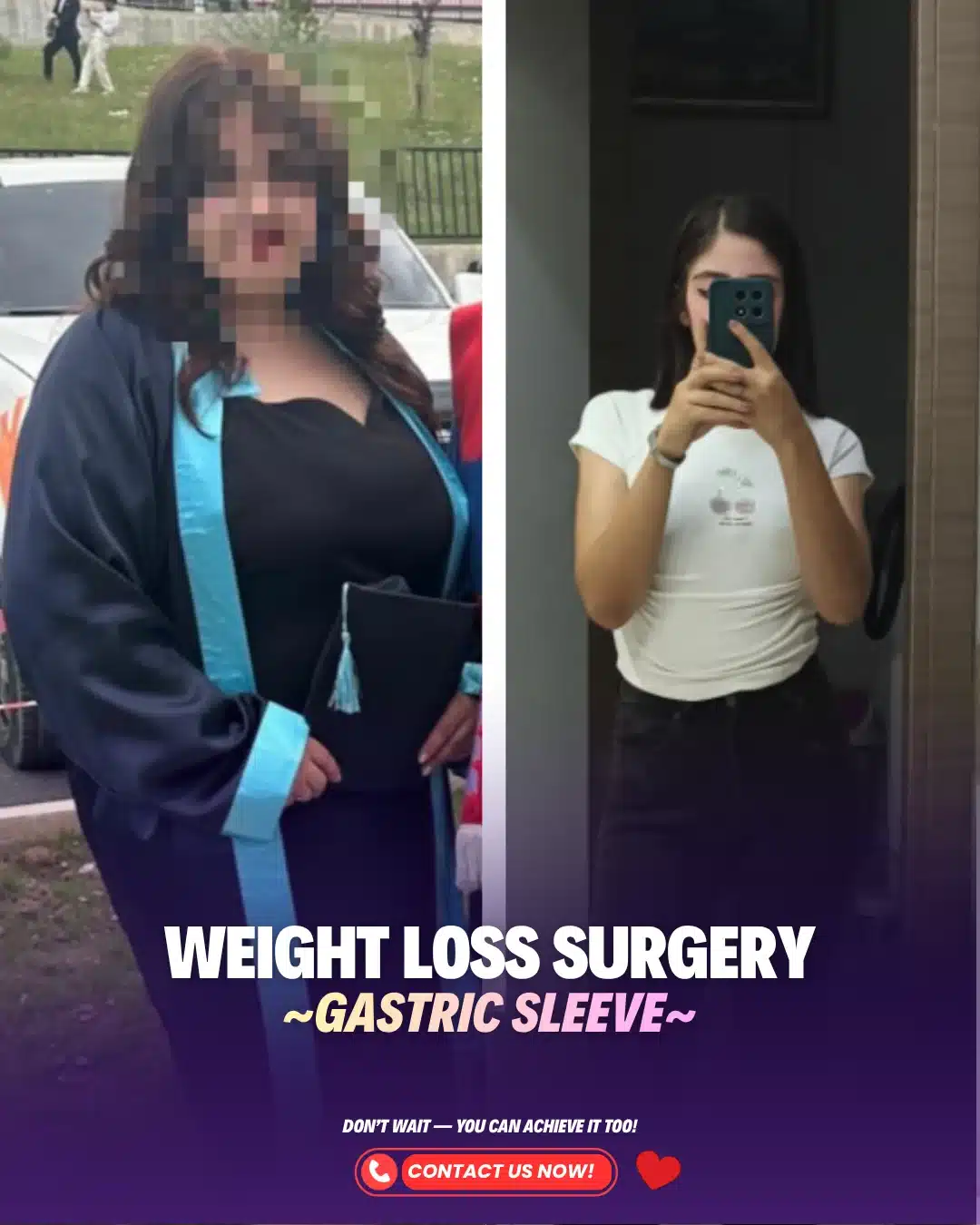
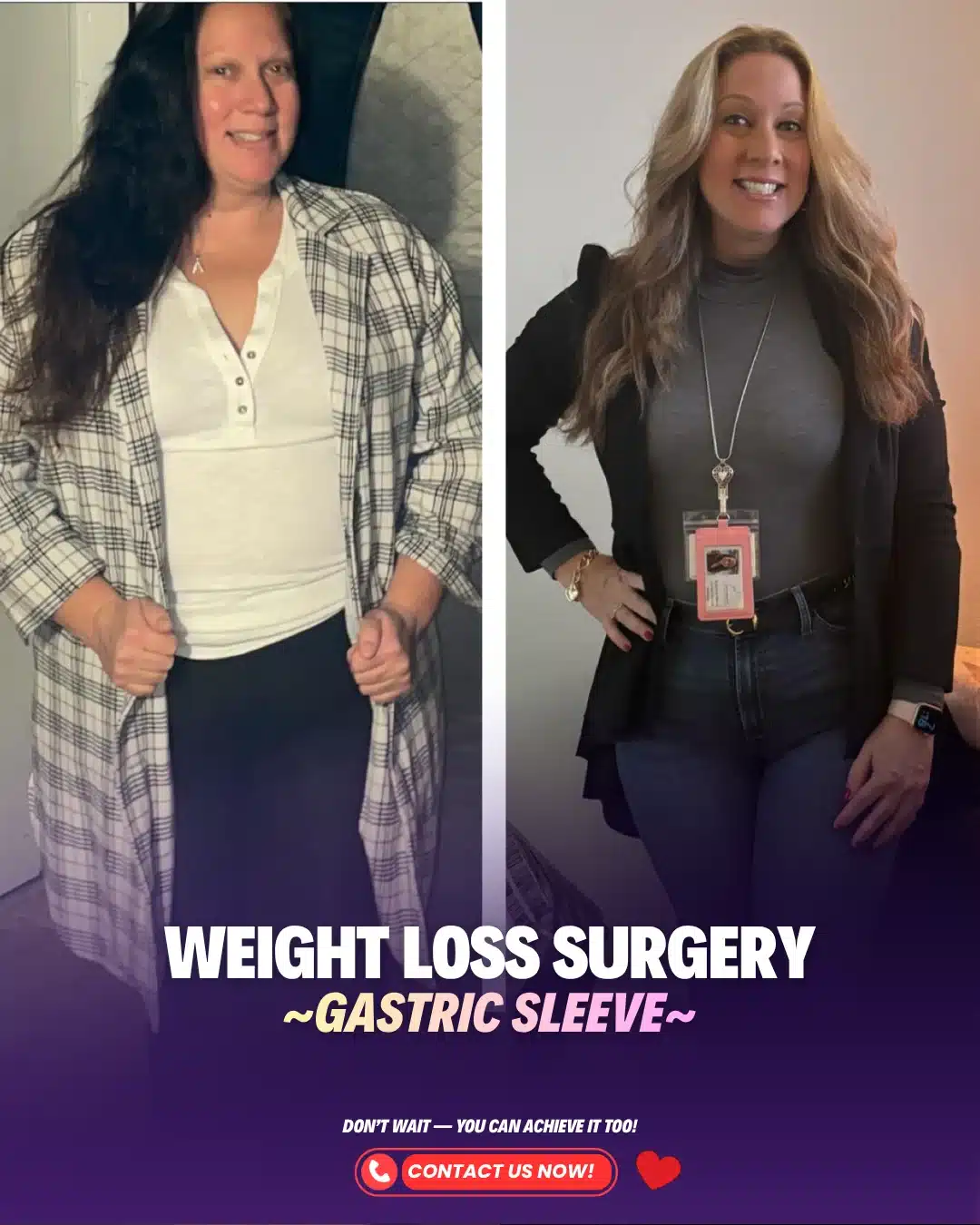
Meet Some of Our Patients Who Underwent Gastric Sleeve Surgery
What Is the Gastric Sleeve Pre-Op Diet?
The gastric sleeve pre-op diet is a special, short-term eating plan that you will follow for approximately 7 to 14 days just before your surgery. This diet is typically a VLCD (Very Low-Calorie Diet) that is very low in carbohydrates and fats, and high in protein. It often consists of protein shakes, lean protein, and non-starchy vegetables.
It is important to understand that the goal of this diet is not to make you lose a large amount of weight. While you will lose some weight (which is a bonus), the primary purpose of this diet is medical. It is a non-negotiable safety step that prepares your body for a successful and complication-free laparoscopic procedure. As a surgical team, we provide this plan to every patient, as it is a foundational part of our commitment to your safety and a smooth gastric sleeve recovery.
Why is the pre-op diet so important?
The main goal of the gastric sleeve pre-op diet is to shrink your liver. This is not about weight loss. A low-carb, low-fat diet rapidly depletes the liver’s glycogen stores, making it smaller and softer. This allows the surgeon to safely and easily perform the laparoscopic surgery, significantly reducing risks.
The #1 Goal: Shrinking Your Liver for a Safer Surgery
This is the most important part of the pre-op diet, and as a surgeon, Prof. Dr. Karatepe often explains this to his patients with a simple analogy. Think of your liver as a large, heavy blanket. In patients who struggle with obesity, this “blanket” (the liver) is often enlarged and fatty—a condition called “fatty liver disease.”
Here is the problem: your liver sits directly on top of your stomach, which is the organ your surgeon needs to operate on.
During gastric sleeve surgery, which is performed laparoscopically (using “keyhole” incisions and a tiny camera), the surgeon must insert tools through these small ports and gently lift your liver up and out of the way to gain access to your stomach.
- A large, fatty liver is heavy, firm, and slippery. It is very difficult and dangerous to lift. It can bleed easily and it blocks the surgeon’s view.
- A shrunken liver (after the diet) is soft, pliable, and much smaller. It is easy to lift safely, giving the surgeon a clear and unobstructed view of the stomach.
By following the pre-op diet, you are making the surgery safer for yourself. You are directly helping your surgeon. This leads to a faster operation, less time under anaesthesia, and a significantly lower risk of serious gastric sleeve complications like bleeding or injury to surrounding organs.
What happens if I don’t follow the pre-op diet?
If you do not follow the pre-op diet, your liver will remain large and firm. When the surgeon begins the operation, they may find it is not safe to proceed. For your own safety, the surgery may be postponed or cancelled right on the operating table. This diet is non-negotiable for your safety.
What can I eat on the gastric sleeve pre-op diet?
Your surgical team will give you a specific plan, but it is typically a very low-calorie (800-1200 calories), high-protein, low-carb, and low-fat diet. This often includes:
- Protein Shakes (as meal replacements)
- Lean Protein (e.g., small portions of skinless chicken breast, white fish, or tofu)
- Non-Starchy Vegetables (e.g., cucumber, lettuce, broccoli, green beans)
- Clear, Sugar-Free Liquids (water, broth, sugar-free jello)
You will be told to completely avoid: sugar, bread, rice, pasta, high-fat foods, and alcohol.
Free WhatsApp Consultation:
Contact us now! 👉 +90 530 917 30 30

Why Choose Prof. Dr. Oguzhan Karatepe for Your Gastric Sleeve?
Your gastric sleeve surgery is a journey that starts long before the operating room. It starts with a safe, proven, and effective pre-operative plan. This is where a surgeon’s experience is critical. Prof. Dr. Oguzhan Karatepe is a leading figure in bariatric surgery, bringing over 25 years of specialized experience to every patient.
With more than 3,000 successful surgeries performed and hundreds of academic publications, his expertise is not just clinical; it is academic. This means his pre-operative and surgical protocols are refined based on decades of evidence-based practice to ensure the highest standards of safety and success. He is a master of advanced laparoscopic surgery—the very technique that the pre-op diet is designed to support. This mastery leads to safer procedures, faster recovery times, and lower complication rates for his patients.
How to choose the right gastric sleeve surgeon?
Gastric sleeve surgery is performed by a bariatric surgeon—a general surgeon who has completed extensive, specialized fellowship training in weight loss procedures. When choosing, you must verify their credentials, look for extensive experience (1,000+ procedures), ensure they operate in an accredited, high-tech hospital, and confirm they have a strong pre-op and post-op support program.
Free WhatsApp Consultation:
Contact us now! 👉 +90 530 917 30 30
Frequently Asked Questions (FAQ) About the Pre-Op Diet
Q: What is gastric sleeve surgery?
A: Gastric sleeve surgery is a weight loss operation where a surgeon removes about 75-80% of the stomach. This leaves a small, banana-shaped “sleeve,” which restricts food intake and reduces hunger hormones, helping you lose weight effectively.
Q: How long is the gastric sleeve pre-op diet?
A: The diet is typically 1 to 2 weeks long. However, for patients with a very high BMI or a severely fatty liver, your surgeon may prescribe a longer diet of 3-4 weeks to ensure maximum safety for your operation.
Q: Can I cheat on my gastric sleeve pre-op diet?
A: We strongly advise against it. A “cheat meal” high in carbs or fat can immediately start to rebuild the glycogen stores in your liver, undoing the hard work you have put in. This is not just a diet; it is a safety protocol. You risk your surgery being cancelled.
Q: How much weight will I lose on the pre-op diet?
A: Most patients lose 5-15 pounds (2-7 kg) on the pre-op diet. However, this weight loss is a *side effect*, not the primary goal. The main goal is to shrink the liver. Do not be discouraged if you “only” lose a few pounds; you are still successfully preparing for surgery.
Q: What is the “clear liquid diet” the day before?
A: This is the final step. For the 24-48 hours right before your surgery, you will be on a “clear liquids only” diet. This means no solid food at all. You can have water, clear broth, sugar-free jello, and other sugar-free clear drinks. This empties your digestive tract for the operation.
Q: Can I drink coffee on the pre-op diet?
A: You must avoid caffeine, as it is a diuretic and can dehydrate you before surgery. You also must avoid sugar and cream. Black, decaf coffee is often allowed by most surgical teams, but you must ask your coordinator for your specific rule.
Q: Is the pre-op diet hard?
A: It can be challenging, but it is temporary. Many patients find it is a good mental preparation for the lifestyle changes after surgery. It is the first test of your commitment to the process. You can do it!
Q: Why do I have to stop smoking before surgery?
A: This is another critical pre-op requirement. Smoking dramatically reduces blood flow and oxygen to your tissues, which are trying to heal. It massively increases your risk of serious gastric sleeve complications like staple line leaks, blood clots, and pneumonia. You must stop all nicotine (including vaping) at least 6-8 weeks before surgery.
Legal Disclaimer
This information is for general educational purposes only and is not a substitute for professional medical advice. For personalized treatment plans, please contact Prof. Dr. Oguzhan Karatepe directly.
Contact Us Today
Our expert team in gastric sleeve surgery is ready to assist you. If you have more questions about the gastric sleeve pre-op diet or wish to schedule a consultation, please reach out to us.
Free WhatsApp Consultation:
Contact us now! 👉 +90 530 917 30 30
How can I book an appointment?
You can contact us directly via phone, WhatsApp, or by filling out the online contact form on our website. Our dedicated patient coordinators will be happy to schedule your free, no-obligation consultation.