
Gastric Sleeve Surgery Side Effects: A Complete Guide to Short & Long-Term Changes
Welcome to our educational guide on gastric sleeve surgery side effects. If you are researching weight loss surgery, it is essential to have a clear, honest, and factual understanding of the entire process, including the potential side effects and risks. This is a crucial part of making an informed decision about your health.
We want to be clear: laparoscopic gastric sleeve surgery is one of the safest and most commonly performed surgical procedures in the world. The vast majority of patients experience a smooth recovery and life-changing benefits. Most side effects are a normal, temporary part of your body’s adjustment. Our expert team is here to help you understand what to expect and provide personalized surgical solutions to guide you through every step.
Free WhatsApp Consultation:
Contact us now! 👉 +90 530 917 30 30
Our patıents
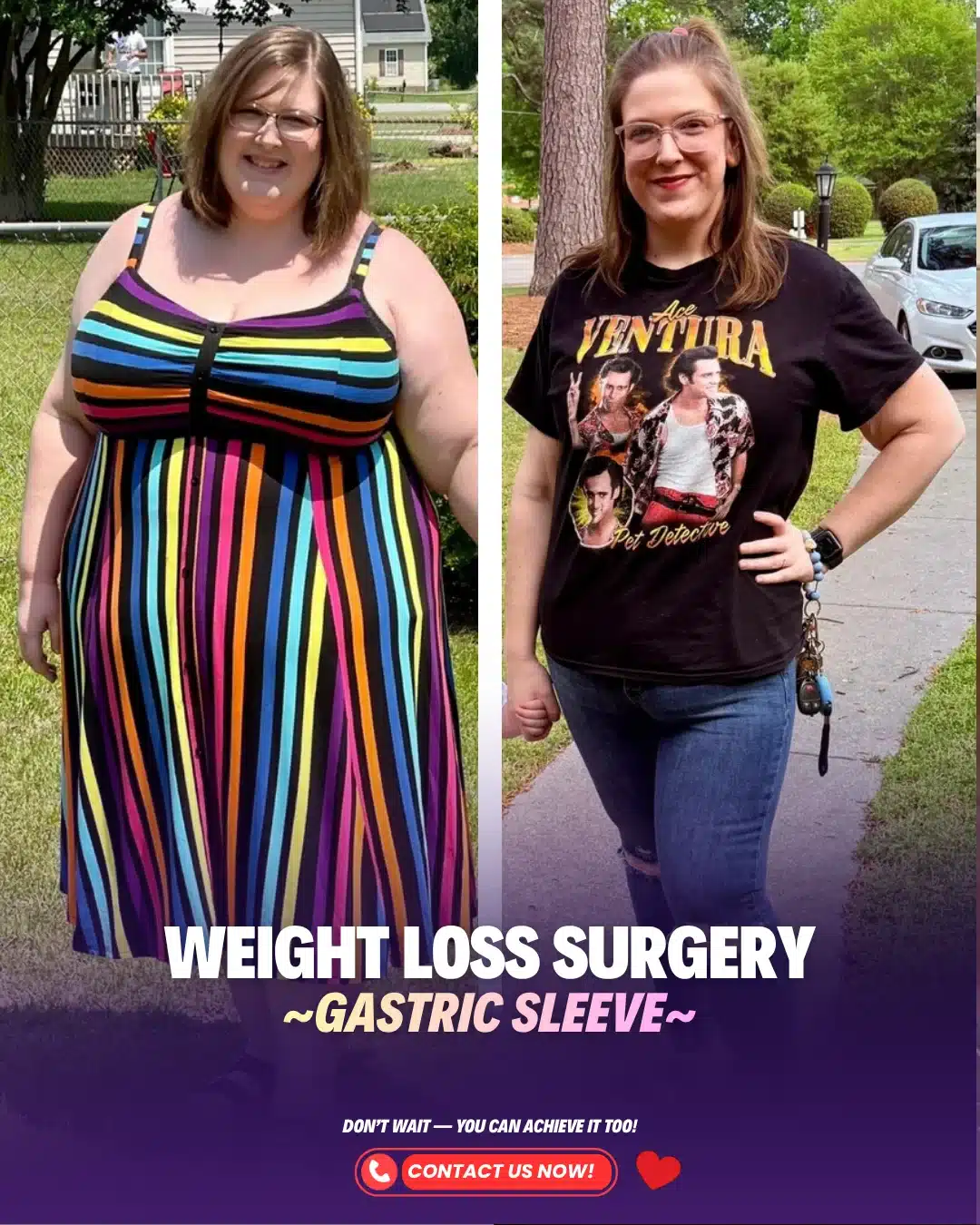
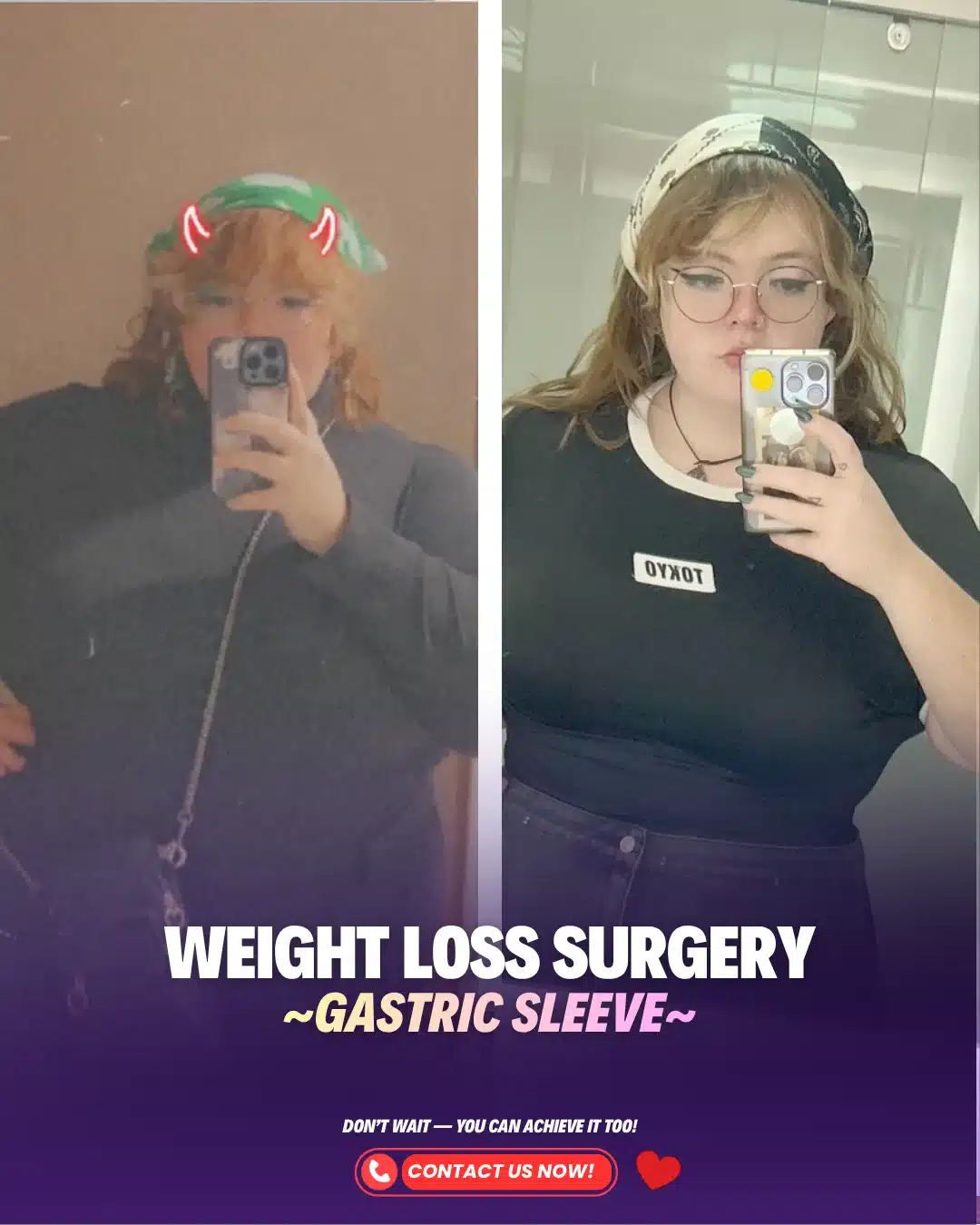
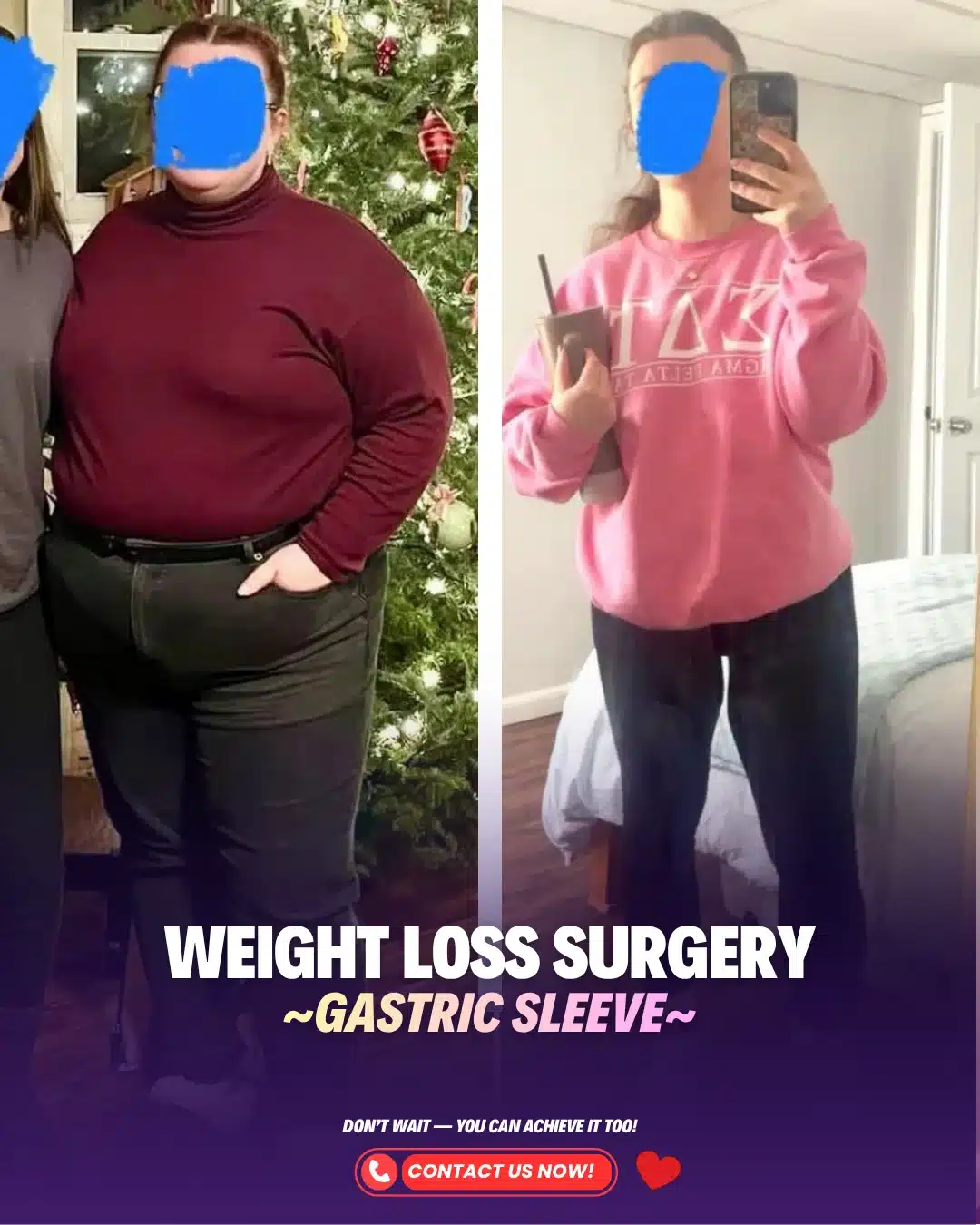
Meet Some of Our Patients Who Underwent Gastric Sleeve Surgery
What Are the Common, Short-Term Side Effects of Gastric Sleeve Surgery?
In the first few weeks and months after your gastric sleeve surgery, your body is going through two major changes at once: it is healing from the surgery and it is adapting to rapid weight loss. The following are not “complications” but are very common, normal, and often temporary side effects of this amazing transformation.
- Fatigue & Feeling Cold: This is almost universal. You will likely feel tired and more sensitive to cold temperatures for the first few months. This is a normal response. Your body is healing, and you are on a very low-calorie diet. Your body is using its fat stores for energy, and your “insulation” layer is shrinking. This side effect improves dramatically as your weight stabilizes and you are able to eat more.
- Temporary Hair Loss: This is a very common concern. About 3-6 months after surgery, some patients experience temporary hair thinning or shedding. This is not caused by the surgery itself. It is a temporary body response to rapid weight loss, hormonal changes, and the low-calorie diet. This condition (called “telogen effluvium”) is temporary. The hair almost always regrows fully once your weight and nutrition stabilize, especially if you focus on your protein and vitamin intake.
- Nausea & Food Intolerance: Your new stomach is a small, narrow sleeve. A key part of your journey is “re-learning” how to eat. In the beginning, you may experience nausea or discomfort if you eat too fast, eat too much, or do not chew your food thoroughly. This is a physical “side effect” that acts as your teacher, reinforcing the new, healthy habits you must adopt.
- Changes in Bowel Habits: As your diet changes drastically (from solids to liquids, and then to high-protein solids), your digestive system needs time to adjust. Some patients experience constipation (due to less fiber and food volume) or, less commonly, diarrhoea. These are typically managed with diet, hydration, and supplements.
What are the most common side effects of gastric sleeve?
The most common gastric sleeve side effects are temporary and a normal part of recovery. They include fatigue, feeling cold, temporary hair thinning (3-6 months post-op), and nausea if you eat too quickly. These side effects typically resolve as your weight stabilizes and your body adjusts to its new metabolism.
Free WhatsApp Consultation:
Contact us now! 👉 +90 530 917 30 30
Long-Term Side Effects vs. Risks: What to Monitor
Beyond the initial recovery, there are long-term side effects of gastric sleeve surgery that you must be prepared to manage for life. It is important to distinguish these from rare “complications.” These are manageable, long-term changes that are a direct result of the surgery’s success.
- Acid Reflux (GERD): This is the most common long-term gastric sleeve side effect. The surgery changes the shape of the stomach into a high-pressure “tube.” This can cause new or worsened acid reflux (heartburn) in some patients. For many, this is mild and easily managed with daily medication. In a small number of severe cases, a gastric sleeve revision to a gastric bypass (which is a low-pressure system) may be recommended.
- Nutritional Deficiencies: This is not a risk, but an expected and 100% manageable outcome. Because you are eating so much less food, you cannot get all the vitamins and minerals you need from your diet alone. This is an unavoidable side effect of bariatric surgery. You must take bariatric-specific vitamins (especially B12, iron, calcium, and Vitamin D) every day for the rest of your life. If you do not, you will develop serious health problems like anaemia or osteoporosis.
- Loose Skin: Loose skin is a side effect of massive weight loss, not a side effect of the surgery itself. The amount of loose skin you will have depends on your age, genetics, and how much weight you lose. While exercise can tone the muscle underneath, it will not significantly tighten the skin. This is a cosmetic side effect that some patients choose to address with plastic surgery after their weight is stable.
- Gallstones: Rapid weight loss from *any* method (not just surgery) increases the risk of developing gallstones. As your body breaks down fat, it can saturate your bile with cholesterol, which forms stones. Your surgeon may prescribe a preventative medication, or you may require a simple gallbladder removal procedure in the future.
Does gastric sleeve have long-term side effects?
Yes. The two most significant long-term side effects of gastric sleeve surgery are the potential for new or worsened acid reflux (GERD), which is often manageable, and the lifelong, non-negotiable requirement to take bariatric vitamins daily to prevent serious nutritional deficiencies.
Why Choose Prof. Dr. Oguzhan Karatepe to Minimize Risks?
Your choice of surgeon is the single most important factor in minimizing your risk of serious gastric sleeve complications and managing your long-term side effects. Prof. Dr. Oguzhan Karatepe is a leading figure in bariatric surgery, bringing over 25 years of specialized experience to every patient.
His credentials set a high standard for medical excellence:
- Over 3,000 Successful Surgeries: A high-volume surgeon has managed a vast range of patient anatomies and has the expertise to prevent, identify, and manage any potential issue.
- Hundreds of Academic Publications: As a Professor of Surgery, his expertise is not just clinical; it is academic. He is an authority who is at the forefront of the latest and safest techniques.
- Expert in Minimally Invasive Surgery: He is a master of advanced laparoscopic surgery. This “keyhole” technique is not just about small scars; it means less pain, less tissue trauma, a faster recovery, and a lower risk of surgical-site side effects like hernias or infections.
Our expert team is here to help you with a comprehensive aftercare plan to manage your nutritional needs and health for years to come.
Free WhatsApp Consultation:
Contact us now! 👉 +90 530 917 30 30
How to choose the right gastric sleeve surgeon?
Gastric sleeve surgery is performed by a bariatric surgeon—a general surgeon with specialized fellowship training. To minimize gastric sleeve side effects and risks, choose a surgeon with extensive experience (1,000+ procedures), who operates in an accredited hospital, and who provides a comprehensive long-term follow-up and nutrition program.

Frequently Asked Questions (FAQ) About Gastric Sleeve Side Effects
Q: What is gastric sleeve surgery?
A: Gastric sleeve surgery is a weight loss operation where a surgeon removes about 75-80% of the stomach. This leaves a small, banana-shaped “sleeve,” which restricts food intake and reduces hunger hormones, helping you lose weight effectively.
Q: Is hair loss permanent after gastric sleeve?
A: No. Hair loss after gastric sleeve surgery (telogen effluvium) is a temporary side effect caused by rapid weight loss. It typically occurs 3-6 months after surgery and resolves on its own. It is not permanent, and the hair will grow back.
Q: Can gastric sleeve cause acid reflux?
A: Yes. This is the most common long-term gastric sleeve side effect. The new, high-pressure shape of the stomach can cause or worsen acid reflux (GERD) in some patients. This is often well-managed with medication, but severe cases may require further treatment.
Q: What is “dumping syndrome”?
A: Dumping syndrome (nausea, sweating, and diarrhoea after eating high-sugar foods) is a well-known side effect of gastric bypass. It is very rare to experience true dumping syndrome after a gastric sleeve, as the stomach’s natural outlet (the pylorus) is preserved.
Q: Will I feel cold all the time after gastric sleeve?
A: You will likely feel more sensitive to cold, especially in the first 6-12 months. This is a common side effect of rapid weight loss as you lose your body’s “insulation” layer. This sensation typically improves as your weight stabilizes.
Q: Is loose skin a common side effect?
A: Loose skin is a very common side effect of massive weight loss, not a side effect of the surgery itself. The amount of loose skin you have will depend on your age, genetics, and the total amount of weight you lose.
Q: What are the most serious *complications* (not side effects)?
A: Serious gastric sleeve complications are rare (under 1-2% with an experienced surgeon). The most serious risks are surgical-site issues like a staple line leak, bleeding, or blood clots. This is why choosing a high-volume, expert surgeon is so important.
Q: Can I drink alcohol after gastric sleeve?
A: You should avoid alcohol for at least 6-12 months. After surgery, your body will absorb alcohol much faster, and you will become intoxicated on a very small amount. This is a serious An-US-side-effect to be aware of. Alcohol also provides “empty calories” that can slow your weight loss.
Q: What is the side effect of not taking vitamins?
A: Not taking your bariatric vitamins is not an option; it will lead to serious illness. The side effects of nutritional deficiency include severe fatigue (from anaemia), bone and tooth loss (from calcium/Vit D deficiency), and permanent nerve damage (from B12 deficiency).
Q: Does the gastric sleeve cause constipation?
A: Constipation is a common side effect, especially in the first few months. This is due to the low-fiber liquid diet, increased protein, and lower overall food volume. This is typically managed by increasing your water intake and using a fiber supplement once your surgeon clears you.
Legal Disclaimer
This information is for general educational purposes only and is not a substitute for professional medical advice. For personalized treatment plans, please contact Prof. Dr. Oguzhan Karatepe directly.
Contact Us Today
Our expert team in gastric sleeve surgery is ready to assist you. If you have more questions about gastric sleeve surgery side effects or wish to schedule a consultation, please reach out to us.
Free WhatsApp Consultation:
Contact us now! 👉 +90 530 917 30 30
How can I book an appointment?
You can contact us directly via phone, WhatsApp, or by filling out the online contact form on our website. Our dedicated patient coordinators will be happy to schedule your free, no-obligation consultation.
